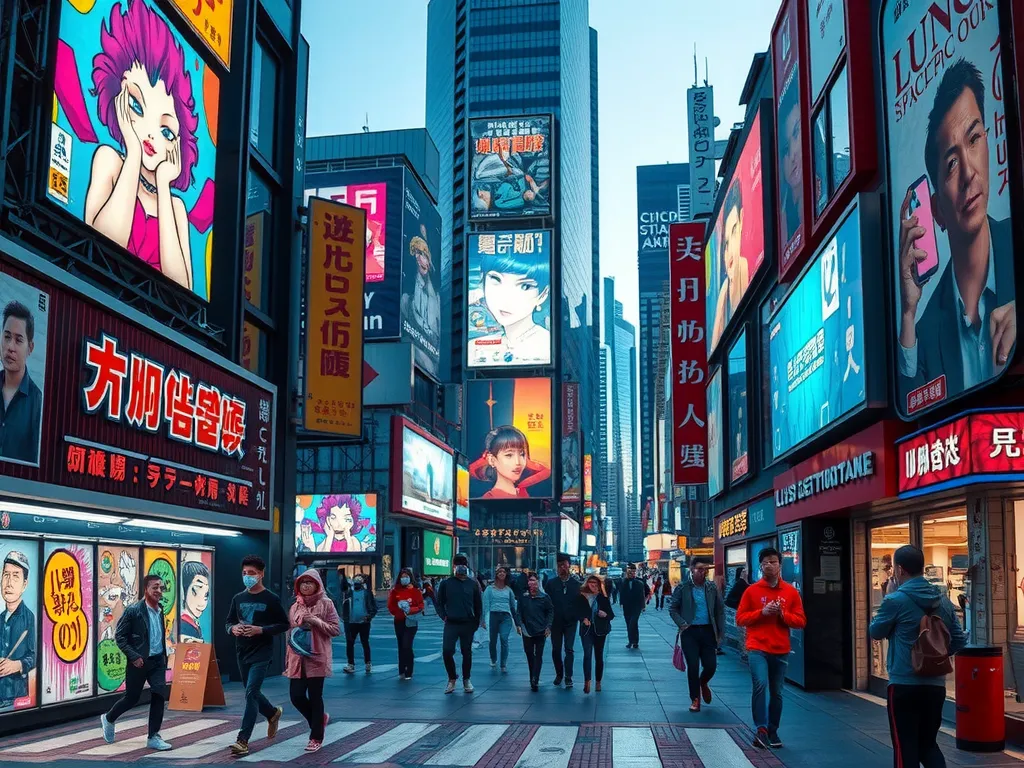
Exploring Street Culture and Digital Media: A New Era of City Life
Digital media is transforming urban life, seamlessly intertwining with street culture to introduce a savvy yet sophisticated way of living. This blend of tradition and modernity is creating immersive experiences that are reshaping how cities operate. Already vibrant and bustling, cities now stand on the verge of a significant transformation.
The Rise of Digital Media in Urban Living
Digital media impacts nearly every aspect of city life, redefining entertainment, education, and commerce.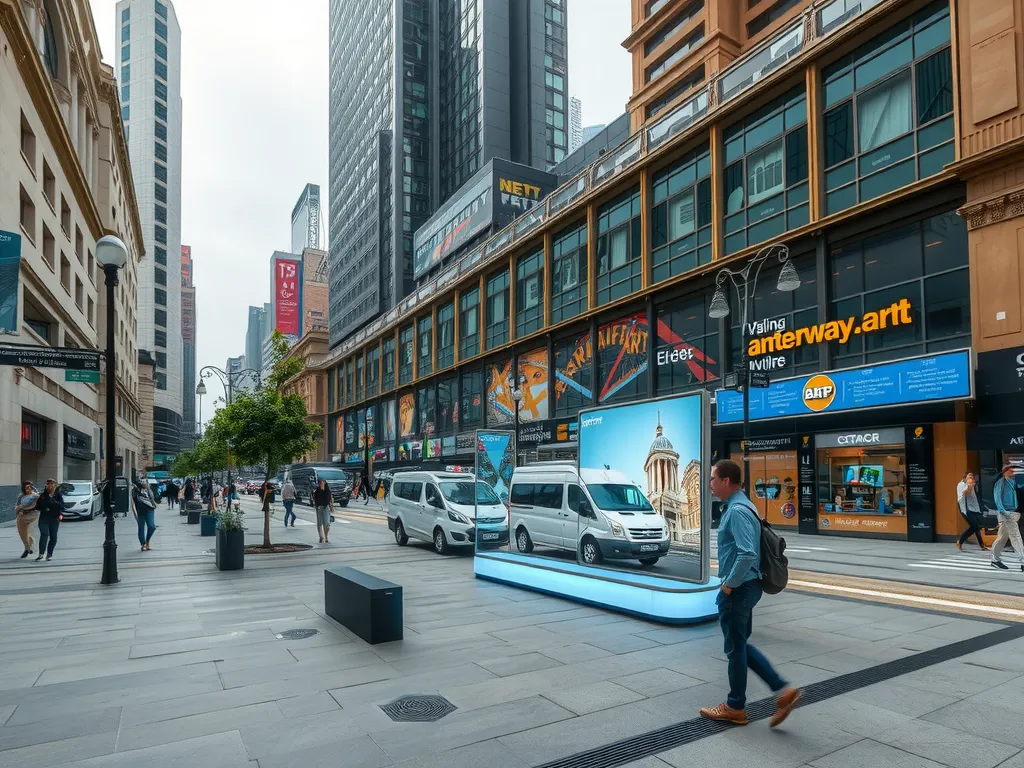 Smart technologies and interactive installations are spreading throughout urban areas, enhancing daily activities with tools like augmented reality, digital art displays, and virtual marketplaces. These innovations not only simplify tasks—such as sensors that adjust lighting based on foot traffic—but also help communities advocate for improved urban design via open data dashboards that monitor everything from noise levels to tree coverage.
Street culture, long recognized for its grassroots energy, now thrives on digital platforms. Artists, fans, and communities engage in global dialogues through social media and online street art platforms, extending far beyond physical neighborhoods. This reach gives artists in smaller cities or on the fringes greater visibility, preserving and elevating their cultural contributions online. Participation in digital forums also supports the organic coordination of creative efforts, including pop-up events and cross-genre collaborations.
Merging Technology with Urban Spaces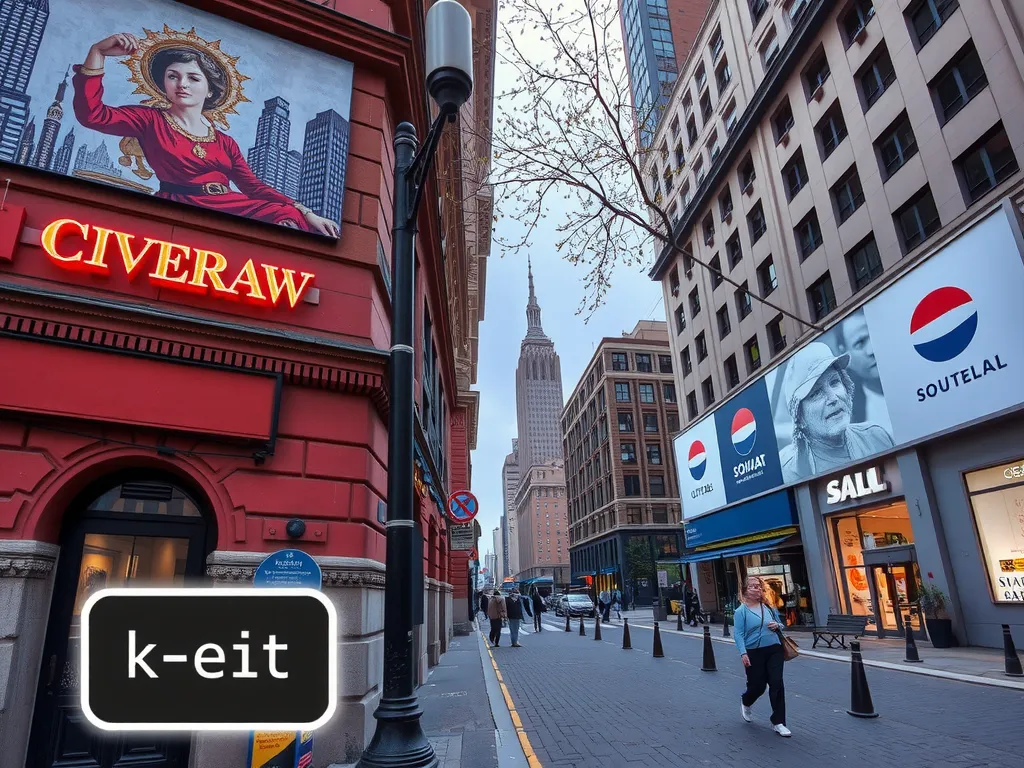
Cities are becoming living laboratories for innovation, turning everyday environments into dynamic urban experiences. Smart infrastructure is reimagining public spaces to be more interactive and responsive to environmental cues and human activities. This tech-driven approach revitalizes street culture while supporting sustainable urban growth. Interactive tools—such as adaptive lighting and public kiosks tailored to local cultural events—are creating shared canvases where individuals and communities can express themselves freely.
Case Study: Barcelona’s Digital Marketplace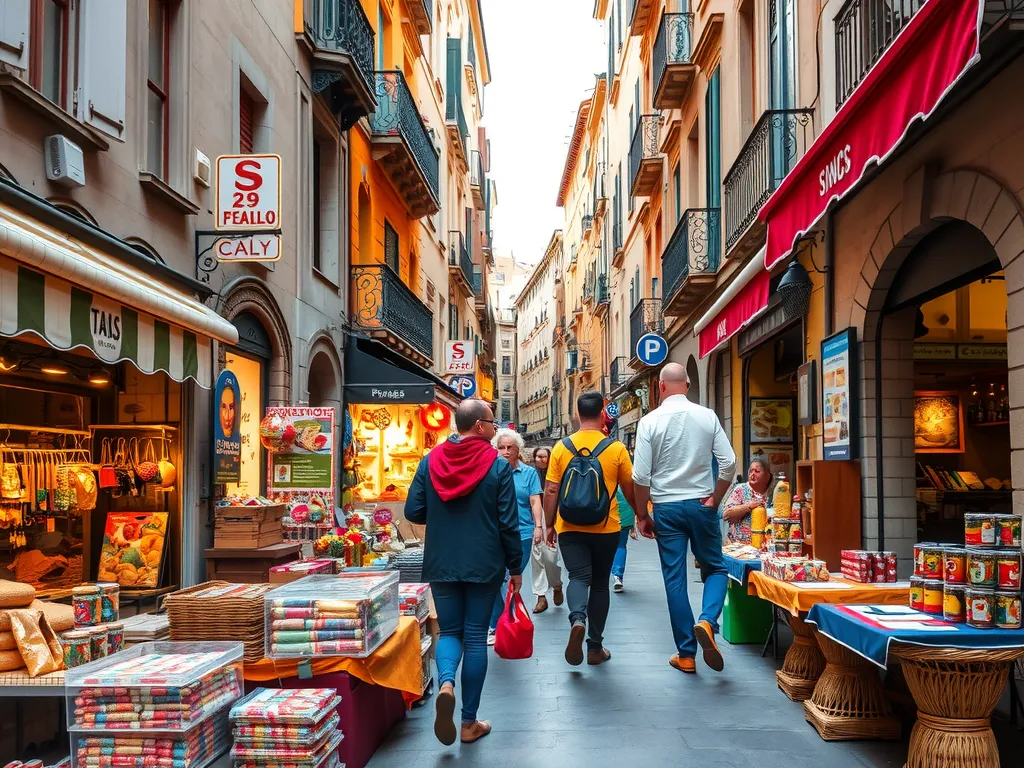
Barcelona showcases how digital technology can enhance traditional street culture through its approach to street markets. By adopting digital tools, the city broadens the reach of local vendors with virtual storefronts, connecting them with global shoppers. These platforms allow vendors to showcase offerings, share product stories, and accept orders in advance—bridging the origin of goods with the narratives behind them. This digital transition encourages cultural exchange, improves operations, and strengthens local economies.
The Growth of Virtual Experiences in City Living
Virtual experiences are opening new avenues for exploration and connection without geographic limits. Virtual tourism and online cultural events provide access to city attractions and narratives through technologies such as high-definition streaming and augmented reality tours. These experiences serve diverse communities, including people with mobility challenges, enabling broader participation in cultural events and urban histories.
Augmented Reality: Connecting Physical and Digital Worlds
Augmented Reality (AR) offers powerful ways to enrich street culture by overlaying digital information onto the physical world. Using devices like smartphones, people can discover added cultural, artistic, and historical context for a deeper urban journey. AR highlights local creativity and supports inclusive engagement, using features such as multilingual captions and interactive audio narrations to broaden its reach.
Challenges and Opportunities of Digital Change
Despite the promise of digital media, its integration brings challenges that require careful consideration. Maintaining cultural authenticity while adopting new technologies is essential to avoid diluting traditional street expressions. Concerns also include cultural appropriation without reciprocal reinvestment. To foster equitable participation, cities should pursue inclusivity-focused policies and technological accessibility initiatives.
Steps for Effective Implementation
- Engage local communities in project planning to ensure cultural relevance and broad support. Inclusive practices tap local insight and increase the likelihood of success.
- Invest in affordable, inclusive technology options to enable wide participation. Favor open-source platforms and use local networks for cost-effective data access to expand digital inclusion.
- Adopt policies that welcome creativity in public spaces while honoring cultural traditions. Provide transparent rules for digital installations, emphasizing collaboration and shared development goals.
Conclusion: The Future of City Living and Digital Media
The fusion of digital media with street culture marks a pivotal moment in urban life. As technology evolves, it will continue to redefine city living by fostering innovative, inclusive cultural ecosystems. Success depends on collaboration among city agencies, cultural institutions, and community groups, ensuring technology enhances the human essence of street culture.
In this harmonious future, urban life will blend tradition with innovation, with technology serving as a bridge across diverse cultural expressions. The aim is to use digital tools to enrich—rather than replace—the vibrant fabric of city life, building platforms that celebrate and sustain community-driven narratives.
Leave a Reply