The Role of AI in the Transformation of Street Challenges and Urban Culture: Merging Tradition and Technology
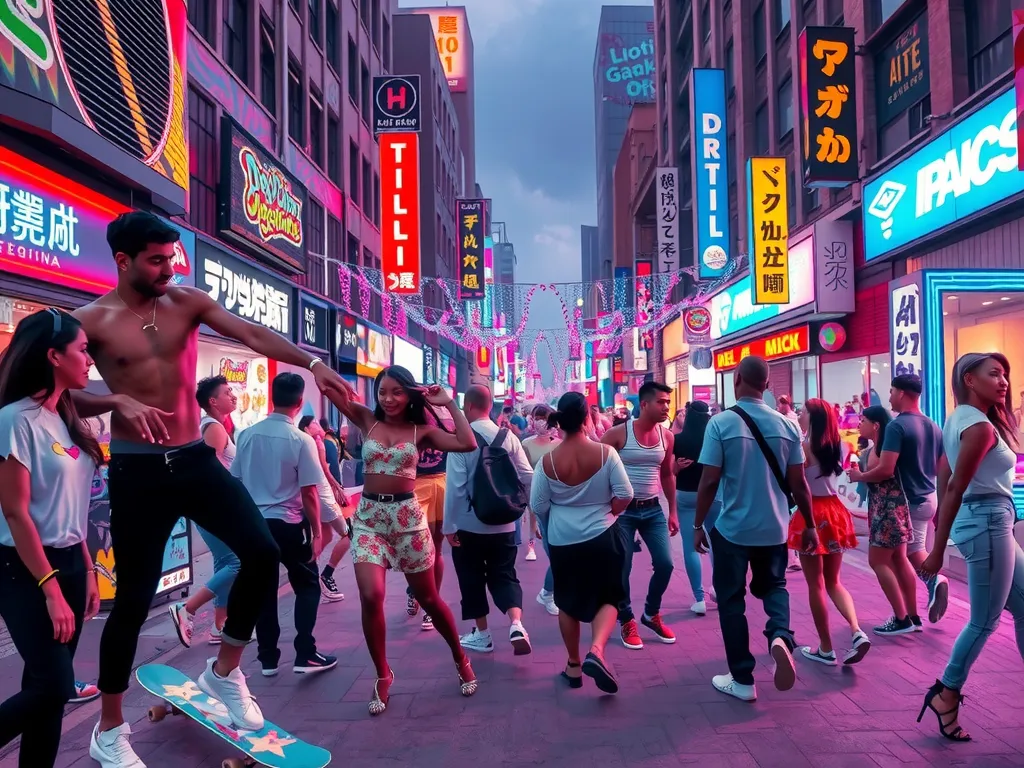
In today’s rapidly evolving world, the fusion of technology and culture is transforming urban life, where street culture has long thrived. The introduction of Artificial Intelligence (AI) in street challenges is redefining how communities engage with and preserve their cultural narratives. This article explores AI’s crucial role in this change and its impact on urban media and community environments. By “street challenges,” we mean the wide spectrum of grassroots competitions and creative showcases that happen in public space: dance ciphers, skate jams, freestyle rap battles, BMX sessions, parkour runs, beatbox face-offs, and spontaneous art experiments that turn sidewalks, plazas, and underpasses into stages. AI does not replace the human spark that animates these moments; rather, it acts as a set of tools that can help document, organize, amplify, and sometimes reframe them. When designed with care, AI can widen participation, lower barriers to entry, and make urban cultural life more visible to neighbors who might otherwise feel like outsiders to the scene.
The Historical Background of Street Challenges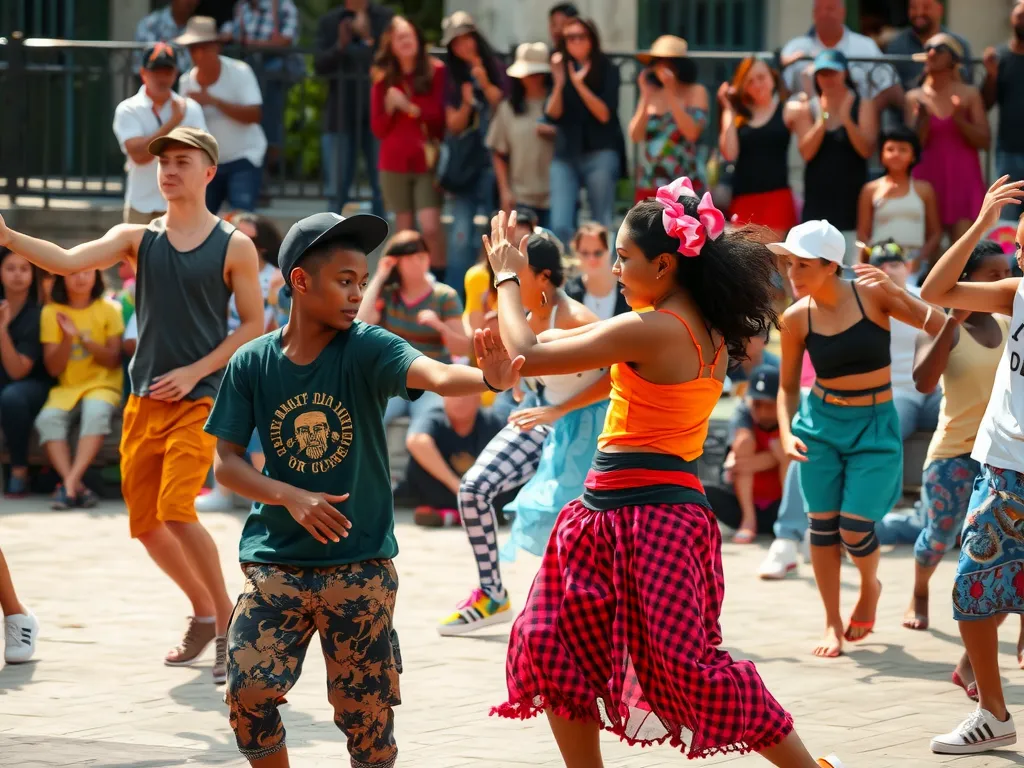
Street challenges have been a cornerstone of city life, capturing the social energy and creativity of urban dwellers. Once focused on spontaneous displays of skill in public spaces, they offered a means for communities to showcase identity and local pride. As digital tools progressed, these displays evolved. From early street b-boy battles to digitally coordinated urban parkour events, today’s challenges mix tradition with technology. Long before smartphones, word of mouth, hand-drawn flyers, and community radio set the rhythm of gathering. Crews built reputations block by block, with codes of conduct that balanced rivalry and respect. The first waves of online forums, text-message trees, and early video-sharing sites brought wider audiences and new styles, yet the core remained: local knowledge, embodied skill, and a sense of place. Each neighborhood had its own footwork patterns, slang, and soundtrack. The turn to digital did not erase those differences; it archived them, allowing future generations to study, remix, and carry forward lineages that might otherwise have faded from memory.
AI as a Driver of Change
AI is transforming street challenges by introducing new ways to organize, share, and experience these events. A major shift is AI-driven media enhancement, where machine learning provides real-time analysis and interactive features for audiences. Platforms like amal.hunnt.ai represent this trend, acting as digital centers for citywide events and curating content around audience interests. Recommendation systems surface nearby sessions that match a user’s tastes, while multilingual transcription and translation tools let performers be understood across language barriers without diluting local dialects. Computer vision improves video stabilization and low‑light footage, so a late‑night cipher under a single streetlamp can look as vivid online as it felt in person. Generative models supply draft posters, set lists, or choreography aides that creators can adapt rather than accept wholesale. Scheduling assistants suggest windows that minimize conflicts with other community happenings. The result is an ecosystem in which discovery, preparation, and documentation flow together, making street challenges easier to join and harder to ignore.
Practical Applications
AI-powered drones now capture aerial views of street challenges, offering perspectives that were once unattainable. AI also aids in event moderation and audience interaction, altering how participants and viewers connect with urban culture and making these gatherings more inclusive and accessible. Pose-estimation models can provide nonjudgmental, opt‑in feedback to a dancer practicing a move, or help a skater analyze approach angle and board rotation. Real-time audio tools separate crowd noise from a rapper’s verses, producing crisp recordings without silencing the environment’s texture. Augmented reality overlays display route cues for parkour runs, highlight safe landing zones, or visualize lines skaters are exploring—useful for rookies learning spatial etiquette. Accessibility features, such as automatic captioning, sign-language avatars, and haptic cues, invite Deaf and hard-of-hearing audiences into the moment. On the operations side, predictive analytics assist with crowd flow, lighting needs, and portable power, while anomaly detection flags potential safety issues before they escalate. All of this works best when the technology remains assistive and opt‑in, preserving the improvisational heartbeat that makes street culture feel alive.
Impact on Urban Media and Environment
As AI-driven street challenges expand, the media landscape is evolving with them. Urban media platforms can use AI to create engaging, timely stories that resonate online. This approach helps street culture remain relevant while extending its reach into digital spaces. Acting as gateways to urban stories, platforms such as amal.hunnt.ai help the culture not just survive but flourish within the broader digital environment. Short-form highlight reels generated from hours of raw footage can be stitched into longer, contextual narratives that name the people, places, and practices involved, countering the flattening effect of virality. Smart archives make recordings searchable by move, beat pattern, or location, turning memory into a living resource for teaching and inspiration. Beyond media, the urban environment itself is implicated: data about foot traffic and noise can guide event placement that minimizes disruption to residents while activating underused plazas. Sustainability enters the picture, too, as organizers use AI to model energy use, plan shared equipment, and encourage low‑carbon travel routes for attendees—all without losing the spontaneous joy that defines a good street session.
Cultural and Social Effects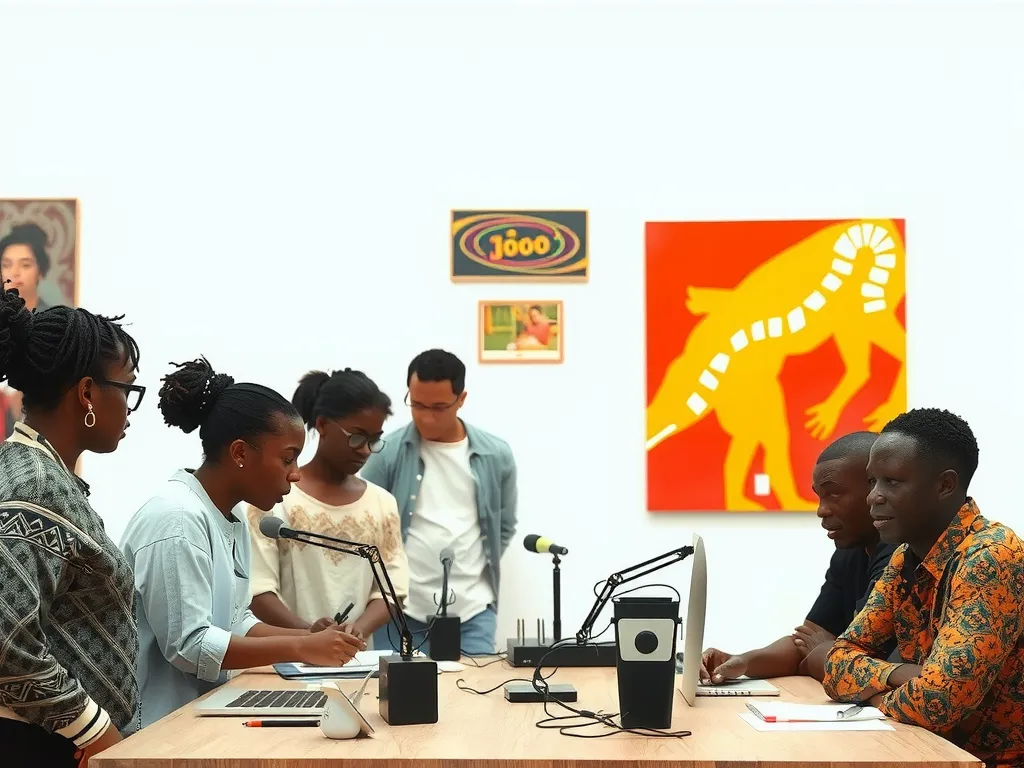
Incorporating AI into street culture sparks significant cultural change. It creates a balancing act between maintaining authenticity and embracing innovation. The challenge is to protect traditional elements while using modern technology to enhance the experience. Communities must consider these factors so progress does not overshadow heritage. Algorithms can amplify the loudest voices; without care, they risk steering attention toward the already visible and away from neighborhood innovators. There are also concerns about surveillance, consent, and the right not to be recorded—especially in spaces where performance and protest sometimes overlap. Responsible use means providing clear notice, opt‑out zones, and controls over where footage travels. On the positive side, AI can expand mentorship, matching novices with coaches willing to share time and tips. Micro-monetization options, from ticketing to digital merch, help sustain local artists without forcing them into mainstream metrics. The social fabric strengthens when tools are co-designed with the people who will use them, foregrounding dignity, safety, and the subtle rituals that make a scene feel like home.
Shaping New Cultural Narratives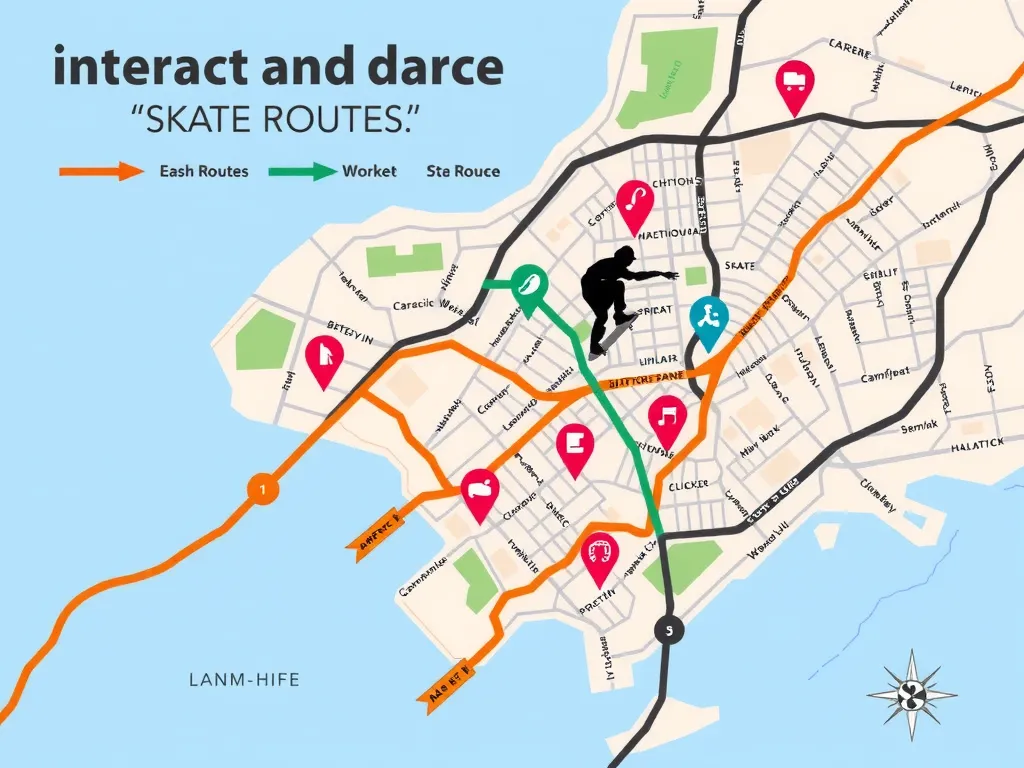
Urban communities are finding ways to integrate AI without losing sight of their roots. This thoughtful blend of tradition and technology invites a reimagining of urban spaces as both historical sites and contemporary canvases where digital art and street challenges converge. Narrative tools let organizers explain why a particular wall matters to a graffiti crew, or how a staircase became legendary for a certain trick, weaving heritage directly into event pages and highlight reels. Interactive maps reveal the hidden choreography of a city—routes traced by dancers, skaters, and free runners—turning archives into participatory storylines that people can add to with voice notes, translations, and neighborhood lore. Intergenerational connections grow when elders annotate clips with memories from earlier eras, and young creators respond with present-day interpretations. In this co-authored mode, AI is not the storyteller but the stitching thread, helping communities bind fragments into a larger, inclusive narrative that honors both the craft and the context from which it springs.
Case Studies: Global Examples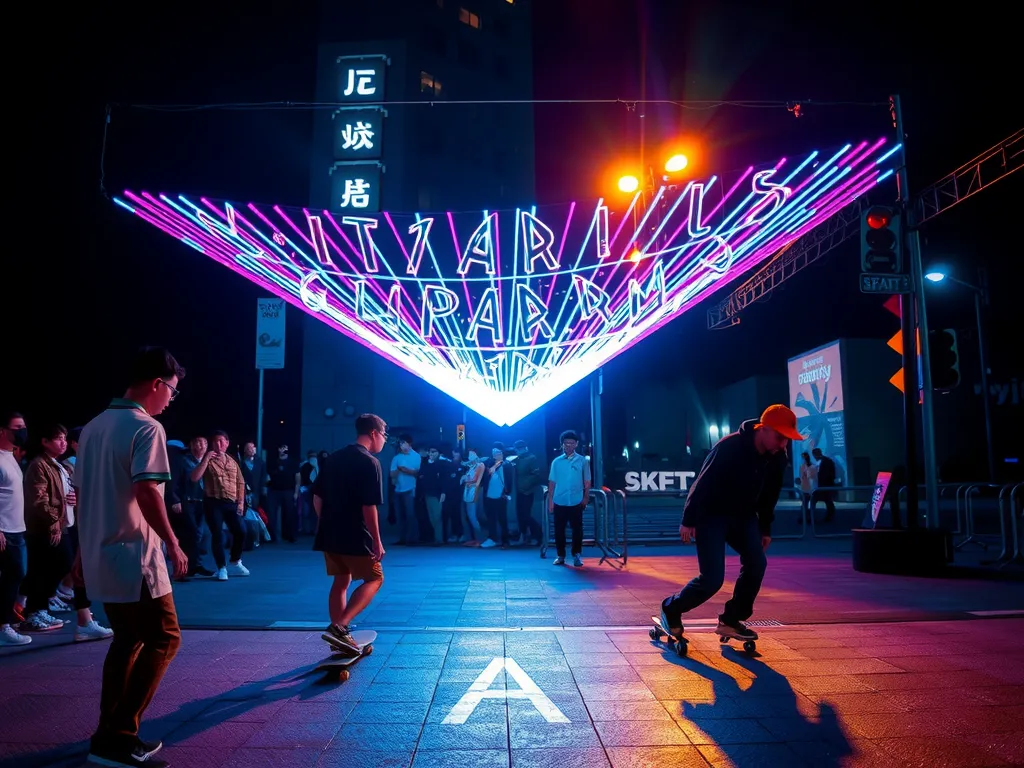
Worldwide, cities are using AI to reinterpret street culture. In Tokyo, AI-driven light shows enhance nighttime skateboarding competitions, creating impressive visuals that capture global attention. In New York City, AI supports large-scale street dance battles by predicting weather and optimizing venue choices to meet participant needs. In Lagos, connectivity-aware apps cache schedules and maps for neighborhoods with intermittent service, enabling offline discovery and safer travel to pop-up events. Berlin collectives employ on‑device processing to respect privacy laws while still offering live motion overlays for b‑boys and b‑girls. São Paulo organizers use translation and sentiment analysis to welcome visitors and moderate high-volume chats without muting spirited debate. Seoul’s parkour community pairs computer vision with soft‑surface sensors to monitor landing impacts, helping reduce injuries during open sessions. In Nairobi, community archivists tag performances by rhythm style and local proverb, ensuring that recordings carry context, not just spectacle. These examples differ in culture and constraint, yet they share a throughline: AI succeeds when it adapts to local needs instead of forcing a single global template.
Best Practices for Integrating AI in Urban Culture
As cities adopt AI, careful implementation is essential. Stakeholders should aim to enhance participant experience without compromising the cultural essence of the challenges. Priorities include incorporating community input and ensuring technology complements, rather than directs, cultural expression. Start with participation: hold open design sessions where performers, residents, and small businesses articulate hopes and harms. Build with privacy in mind—default to minimal data collection, explain how information flows, and allow graceful opt‑outs. Favor on‑device processing where possible, and label AI‑generated effects so viewers understand what they are seeing. Accessibility cannot be an afterthought; invest in captioning, audio descriptions, and interface localization across community languages. Establish fair compensation models for creators whose footage trains algorithms or anchors promotional campaigns. Finally, measure what matters: track inclusion, safety, and neighborhood benefits alongside view counts. When success is defined by the health of the scene, not just its reach, AI becomes a steward rather than a director of culture.
Guidelines for Integration
Urban planners and media platform operators are encouraged to design inclusive AI tools that elevate local voices and stories. By creating platforms for marginalized groups and promoting digital literacy across communities, we can encourage a balanced integration of AI and culture. Practical steps include: supporting community governance boards that can pause features if harms emerge; offering creators granular control over discoverability, remix permissions, and geotag precision; and maintaining transparent logs that show how recommendations are made. Build offline‑first capabilities so events are discoverable without constant connectivity, and open APIs that let neighborhood centers and libraries mirror schedules. Provide plain‑language dashboards explaining privacy, data retention, and model training, and create pathways for appeals when content is mislabeled. Offer toolkits for teachers and youth mentors to use challenge footage in workshops on movement, music, coding, and media ethics. Above all, ensure that the loudest signal a system amplifies is consent—explicit, revocable, and respected in both technical and social practice.
Conclusion
As AI becomes part of street challenges, its potential to enrich urban culture is increasingly clear. The way forward is to use AI to sustain and evolve these traditions, keeping them lively in the digital era. For digital platforms and environments, the opportunity lies in building strong interactions that deepen our connection to the cultural fabric of urban life. What distinguishes thriving scenes is not the novelty of their tools but the care with which they are deployed. A camera that stabilizes a shaky clip can also stabilize a memory. A recommendation that brings a newcomer to her first cipher can seed a lifelong practice. A caption that translates a chant preserves its rhythm and meaning for audiences across distance. When technologists, artists, residents, and city stewards move in concert—sharing authorship and responsibility—AI becomes an ally to the values that have always animated street culture: creativity, courage, reciprocity, and joy.
Looking ahead, cities that embrace the merging of AI and street culture are poised to become living tapestries of innovation, holding onto the essence of their traditions while moving toward an inclusive, technologically enriched future. The most promising horizon is not a frictionless city, but a city that learns—where tools adapt to community norms, where archives remember with nuance, and where discovery widens the circle without erasing place. If platforms like amal.hunnt.ai continue to evolve through civic partnerships, transparent governance, and open standards, they can help choreograph urban life without claiming center stage. The next decade will test whether we can scale care as well as reach: making room for quiet practices, celebrating everyday excellence, and protecting the right to gather in public. Done well, AI will not script the city; it will keep the beat while people write the verses, one challenge at a time, on streets that remain both classroom and canvas.
Leave a Reply