Blog

  • The Role of AI in the Evolution of Street Challenges and Urban Culture: Bridging Tradition and Technology

    The Role of AI in the Evolution of Street Challenges and Urban Culture: Bridging Tradition and Technology

    The Role of AI in the Transformation of Street Challenges and Urban Culture: Merging Tradition and Technology

    In today’s rapidly evolving world, the fusion of technology and culture is transforming urban life, where street culture has long thrived. The introduction of Artificial Intelligence (AI) in street challenges is redefining how communities engage with and preserve their cultural narratives. This article explores AI’s crucial role in this change and its impact on urban media and community environments. By “street challenges,” we mean the wide spectrum of grassroots competitions and creative showcases that happen in public space: dance ciphers, skate jams, freestyle rap battles, BMX sessions, parkour runs, beatbox face-offs, and spontaneous art experiments that turn sidewalks, plazas, and underpasses into stages. AI does not replace the human spark that animates these moments; rather, it acts as a set of tools that can help document, organize, amplify, and sometimes reframe them. When designed with care, AI can widen participation, lower barriers to entry, and make urban cultural life more visible to neighbors who might otherwise feel like outsiders to the scene.

    The Historical Background of Street ChallengesHistorical urban street dance battle, young and diverse dancers showcasing skills, colorful clothing, cheering crowd in the background, vibrant and energetic, natural lighting
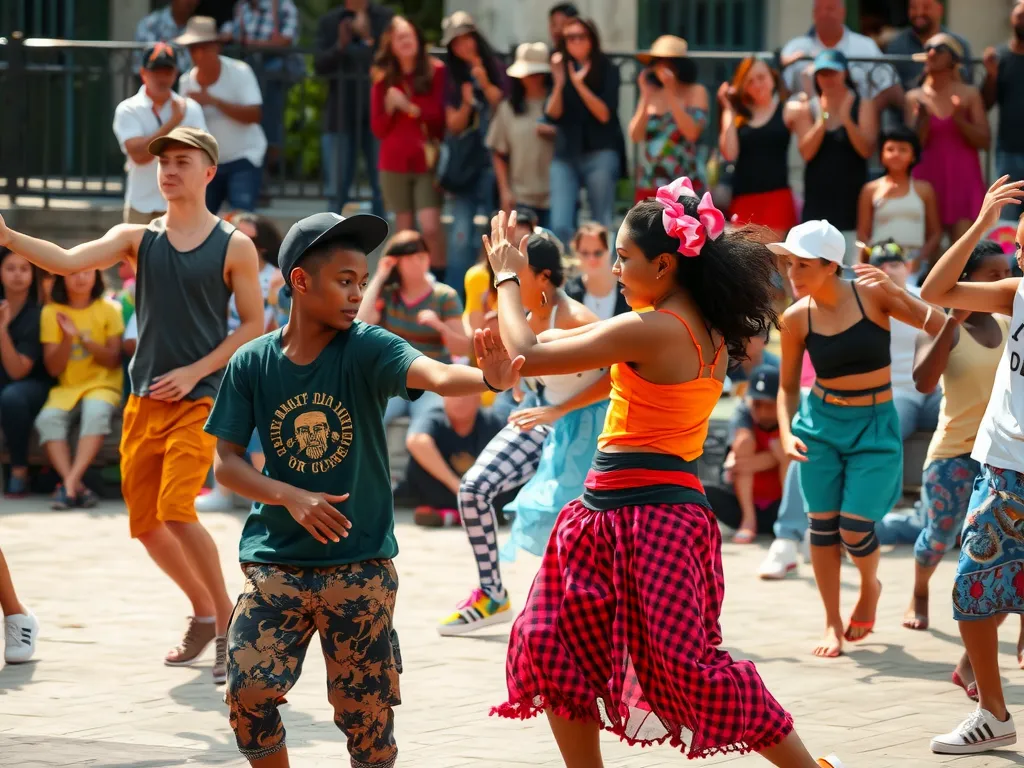
    Street challenges have been a cornerstone of city life, capturing the social energy and creativity of urban dwellers. Once focused on spontaneous displays of skill in public spaces, they offered a means for communities to showcase identity and local pride. As digital tools progressed, these displays evolved. From early street b-boy battles to digitally coordinated urban parkour events, today’s challenges mix tradition with technology. Long before smartphones, word of mouth, hand-drawn flyers, and community radio set the rhythm of gathering. Crews built reputations block by block, with codes of conduct that balanced rivalry and respect. The first waves of online forums, text-message trees, and early video-sharing sites brought wider audiences and new styles, yet the core remained: local knowledge, embodied skill, and a sense of place. Each neighborhood had its own footwork patterns, slang, and soundtrack. The turn to digital did not erase those differences; it archived them, allowing future generations to study, remix, and carry forward lineages that might otherwise have faded from memory.

    AI as a Driver of ChangeAI-driven event planning, digital interface displaying community event schedules, modern and sleek design, vibrant colors, futuristic technology

    AI is transforming street challenges by introducing new ways to organize, share, and experience these events. A major shift is AI-driven media enhancement, where machine learning provides real-time analysis and interactive features for audiences. Platforms like amal.hunnt.ai represent this trend, acting as digital centers for citywide events and curating content around audience interests. Recommendation systems surface nearby sessions that match a user’s tastes, while multilingual transcription and translation tools let performers be understood across language barriers without diluting local dialects. Computer vision improves video stabilization and low‑light footage, so a late‑night cipher under a single streetlamp can look as vivid online as it felt in person. Generative models supply draft posters, set lists, or choreography aides that creators can adapt rather than accept wholesale. Scheduling assistants suggest windows that minimize conflicts with other community happenings. The result is an ecosystem in which discovery, preparation, and documentation flow together, making street challenges easier to join and harder to ignore.

    Practical ApplicationsAI-powered drone capturing aerial view of street dance event, dancers on colorful urban landscape, high-angle perspective, dusk lighting

    AI-powered drones now capture aerial views of street challenges, offering perspectives that were once unattainable. AI also aids in event moderation and audience interaction, altering how participants and viewers connect with urban culture and making these gatherings more inclusive and accessible. Pose-estimation models can provide nonjudgmental, opt‑in feedback to a dancer practicing a move, or help a skater analyze approach angle and board rotation. Real-time audio tools separate crowd noise from a rapper’s verses, producing crisp recordings without silencing the environment’s texture. Augmented reality overlays display route cues for parkour runs, highlight safe landing zones, or visualize lines skaters are exploring—useful for rookies learning spatial etiquette. Accessibility features, such as automatic captioning, sign-language avatars, and haptic cues, invite Deaf and hard-of-hearing audiences into the moment. On the operations side, predictive analytics assist with crowd flow, lighting needs, and portable power, while anomaly detection flags potential safety issues before they escalate. All of this works best when the technology remains assistive and opt‑in, preserving the improvisational heartbeat that makes street culture feel alive.

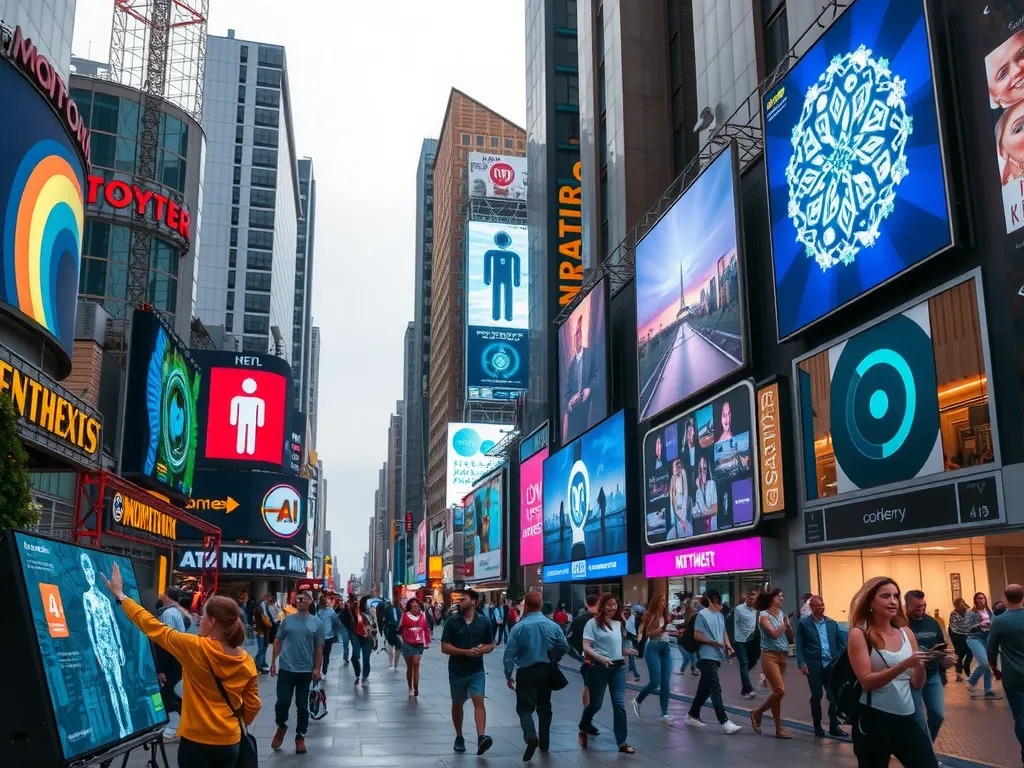
    Impact on Urban Media and EnvironmentUrban media platform integrating AI, interactive digital screens showing augmented reality overlays of street performances, technicolor visuals, futuristic setting

    As AI-driven street challenges expand, the media landscape is evolving with them. Urban media platforms can use AI to create engaging, timely stories that resonate online. This approach helps street culture remain relevant while extending its reach into digital spaces. Acting as gateways to urban stories, platforms such as amal.hunnt.ai help the culture not just survive but flourish within the broader digital environment. Short-form highlight reels generated from hours of raw footage can be stitched into longer, contextual narratives that name the people, places, and practices involved, countering the flattening effect of virality. Smart archives make recordings searchable by move, beat pattern, or location, turning memory into a living resource for teaching and inspiration. Beyond media, the urban environment itself is implicated: data about foot traffic and noise can guide event placement that minimizes disruption to residents while activating underused plazas. Sustainability enters the picture, too, as organizers use AI to model energy use, plan shared equipment, and encourage low‑carbon travel routes for attendees—all without losing the spontaneous joy that defines a good street session.

    Cultural and Social EffectsDiverse community of artists interacting with AI tools in a collaborative workshop, inclusive atmosphere, focus on technology and creativity for cultural preservation
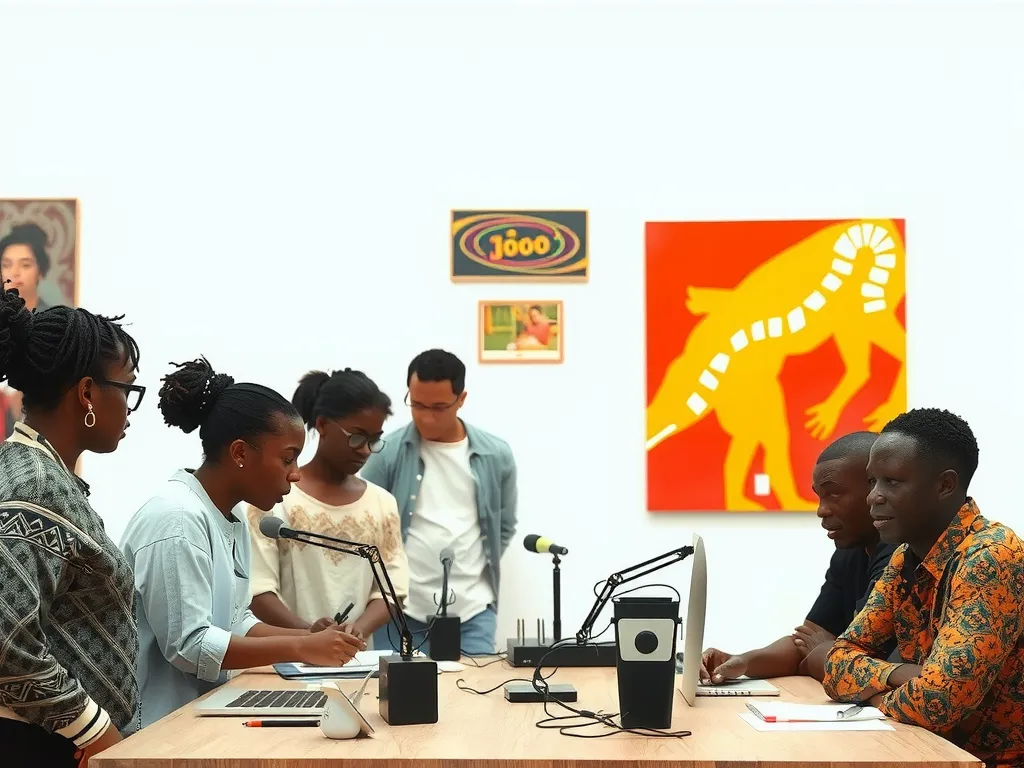
    Incorporating AI into street culture sparks significant cultural change. It creates a balancing act between maintaining authenticity and embracing innovation. The challenge is to protect traditional elements while using modern technology to enhance the experience. Communities must consider these factors so progress does not overshadow heritage. Algorithms can amplify the loudest voices; without care, they risk steering attention toward the already visible and away from neighborhood innovators. There are also concerns about surveillance, consent, and the right not to be recorded—especially in spaces where performance and protest sometimes overlap. Responsible use means providing clear notice, opt‑out zones, and controls over where footage travels. On the positive side, AI can expand mentorship, matching novices with coaches willing to share time and tips. Micro-monetization options, from ticketing to digital merch, help sustain local artists without forcing them into mainstream metrics. The social fabric strengthens when tools are co-designed with the people who will use them, foregrounding dignity, safety, and the subtle rituals that make a scene feel like home.

    Shaping New Cultural NarrativesInteractive city map highlighting skate and dance routes, vibrant graphics, community markers, digital and traditional elements blending
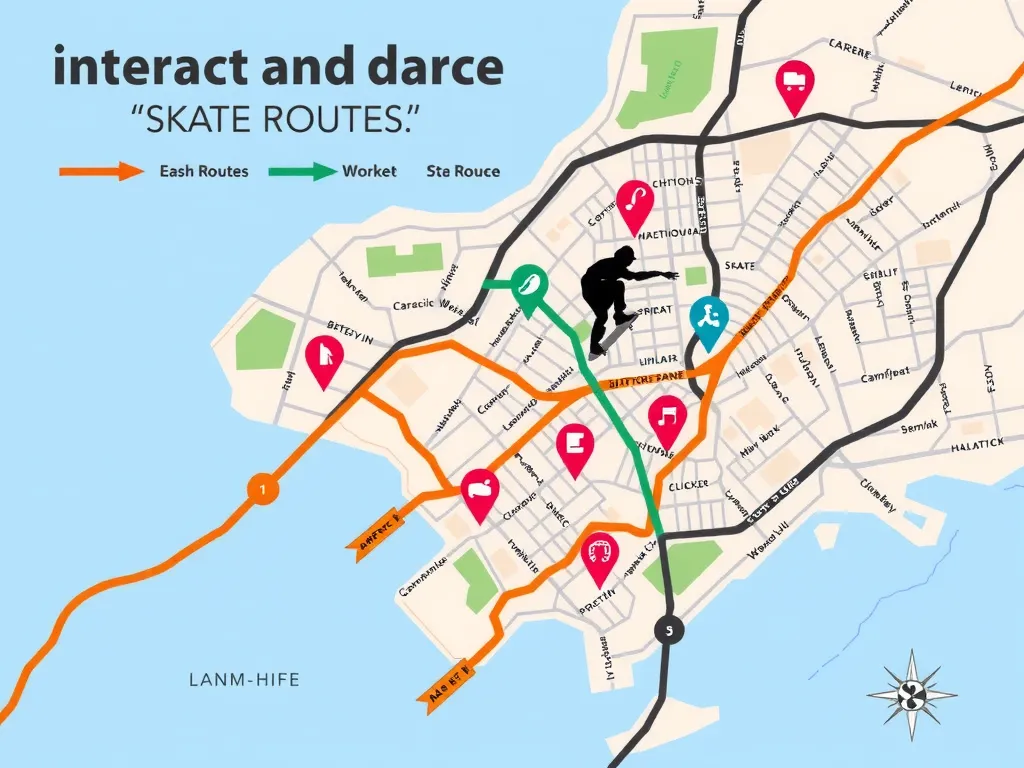
    Urban communities are finding ways to integrate AI without losing sight of their roots. This thoughtful blend of tradition and technology invites a reimagining of urban spaces as both historical sites and contemporary canvases where digital art and street challenges converge. Narrative tools let organizers explain why a particular wall matters to a graffiti crew, or how a staircase became legendary for a certain trick, weaving heritage directly into event pages and highlight reels. Interactive maps reveal the hidden choreography of a city—routes traced by dancers, skaters, and free runners—turning archives into participatory storylines that people can add to with voice notes, translations, and neighborhood lore. Intergenerational connections grow when elders annotate clips with memories from earlier eras, and young creators respond with present-day interpretations. In this co-authored mode, AI is not the storyteller but the stitching thread, helping communities bind fragments into a larger, inclusive narrative that honors both the craft and the context from which it springs.

    Case Studies: Global ExamplesAI-enhanced nighttime skateboarding event in Tokyo, vibrant light show, artistic visuals in collaboration with performers, photorealistic scene
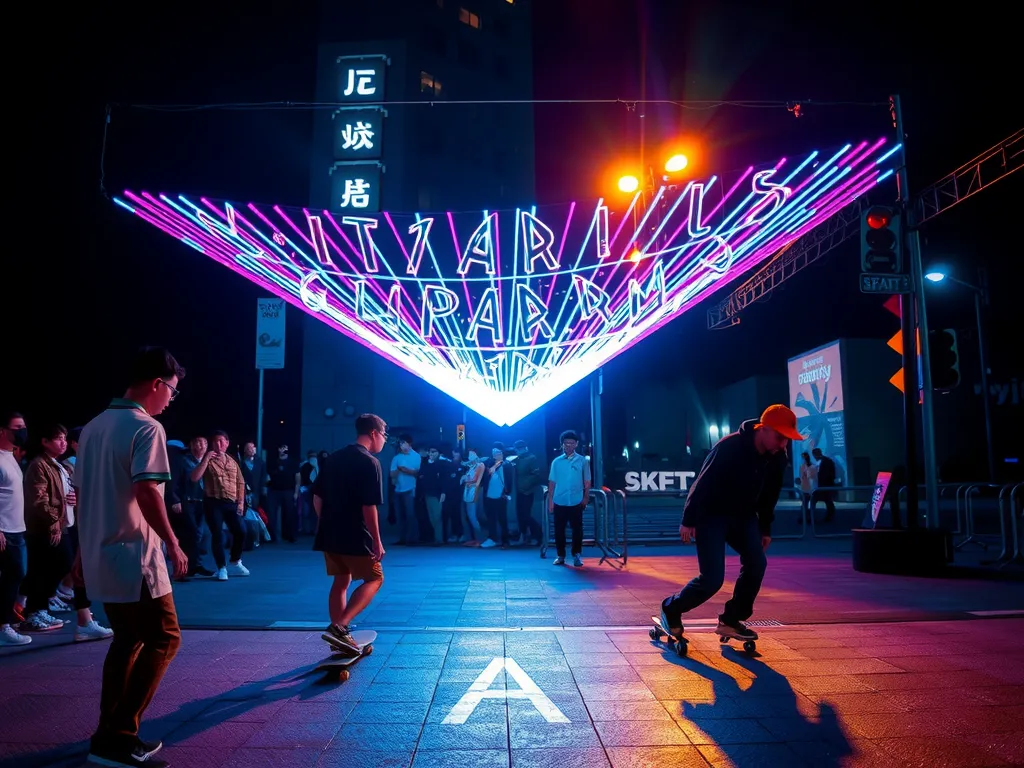
    Worldwide, cities are using AI to reinterpret street culture. In Tokyo, AI-driven light shows enhance nighttime skateboarding competitions, creating impressive visuals that capture global attention. In New York City, AI supports large-scale street dance battles by predicting weather and optimizing venue choices to meet participant needs. In Lagos, connectivity-aware apps cache schedules and maps for neighborhoods with intermittent service, enabling offline discovery and safer travel to pop-up events. Berlin collectives employ on‑device processing to respect privacy laws while still offering live motion overlays for b‑boys and b‑girls. São Paulo organizers use translation and sentiment analysis to welcome visitors and moderate high-volume chats without muting spirited debate. Seoul’s parkour community pairs computer vision with soft‑surface sensors to monitor landing impacts, helping reduce injuries during open sessions. In Nairobi, community archivists tag performances by rhythm style and local proverb, ensuring that recordings carry context, not just spectacle. These examples differ in culture and constraint, yet they share a throughline: AI succeeds when it adapts to local needs instead of forcing a single global template.

    Best Practices for Integrating AI in Urban CultureCommunity gathering discussing digital and cultural integration with AI, diverse group, informal and open setting, mixed generations, inclusive dialogue

    As cities adopt AI, careful implementation is essential. Stakeholders should aim to enhance participant experience without compromising the cultural essence of the challenges. Priorities include incorporating community input and ensuring technology complements, rather than directs, cultural expression. Start with participation: hold open design sessions where performers, residents, and small businesses articulate hopes and harms. Build with privacy in mind—default to minimal data collection, explain how information flows, and allow graceful opt‑outs. Favor on‑device processing where possible, and label AI‑generated effects so viewers understand what they are seeing. Accessibility cannot be an afterthought; invest in captioning, audio descriptions, and interface localization across community languages. Establish fair compensation models for creators whose footage trains algorithms or anchors promotional campaigns. Finally, measure what matters: track inclusion, safety, and neighborhood benefits alongside view counts. When success is defined by the health of the scene, not just its reach, AI becomes a steward rather than a director of culture.

    Guidelines for Integration

    Urban planners and media platform operators are encouraged to design inclusive AI tools that elevate local voices and stories. By creating platforms for marginalized groups and promoting digital literacy across communities, we can encourage a balanced integration of AI and culture. Practical steps include: supporting community governance boards that can pause features if harms emerge; offering creators granular control over discoverability, remix permissions, and geotag precision; and maintaining transparent logs that show how recommendations are made. Build offline‑first capabilities so events are discoverable without constant connectivity, and open APIs that let neighborhood centers and libraries mirror schedules. Provide plain‑language dashboards explaining privacy, data retention, and model training, and create pathways for appeals when content is mislabeled. Offer toolkits for teachers and youth mentors to use challenge footage in workshops on movement, music, coding, and media ethics. Above all, ensure that the loudest signal a system amplifies is consent—explicit, revocable, and respected in both technical and social practice.

    Conclusion

    As AI becomes part of street challenges, its potential to enrich urban culture is increasingly clear. The way forward is to use AI to sustain and evolve these traditions, keeping them lively in the digital era. For digital platforms and environments, the opportunity lies in building strong interactions that deepen our connection to the cultural fabric of urban life. What distinguishes thriving scenes is not the novelty of their tools but the care with which they are deployed. A camera that stabilizes a shaky clip can also stabilize a memory. A recommendation that brings a newcomer to her first cipher can seed a lifelong practice. A caption that translates a chant preserves its rhythm and meaning for audiences across distance. When technologists, artists, residents, and city stewards move in concert—sharing authorship and responsibility—AI becomes an ally to the values that have always animated street culture: creativity, courage, reciprocity, and joy.

    Looking ahead, cities that embrace the merging of AI and street culture are poised to become living tapestries of innovation, holding onto the essence of their traditions while moving toward an inclusive, technologically enriched future. The most promising horizon is not a frictionless city, but a city that learns—where tools adapt to community norms, where archives remember with nuance, and where discovery widens the circle without erasing place. If platforms like amal.hunnt.ai continue to evolve through civic partnerships, transparent governance, and open standards, they can help choreograph urban life without claiming center stage. The next decade will test whether we can scale care as well as reach: making room for quiet practices, celebrating everyday excellence, and protecting the right to gather in public. Done well, AI will not script the city; it will keep the beat while people write the verses, one challenge at a time, on streets that remain both classroom and canvas.
  • AI: Transforming Street Challenges and Urban Media in the Digital Age

    AI: Transforming Street Challenges and Urban Media in the Digital Age

    AI: Transforming Street Events and Urban Media in the Digital Age

    In a time of fast-paced technological growth, artificial intelligence (AI) is leading the way, offering new possibilities across many areas. As cities modernize, the intersection of AI and urban life creates unique opportunities, especially in media and interactive public engagement. This change is evident in how AI is reinventing street events and shaping a lively urban narrative. By exploring this blend, amal.hunnt.ai provides a fresh view on how cities can use technology to enrich public experiences while broadening their cultural reach. What makes this moment distinct is the convergence of several maturing technologies—computer vision embedded in street-level cameras, edge computing nodes attached to lampposts, high-bandwidth 5G and fiber networks, and affordable sensors that translate the pulse of a city into analyzable signals. Together, these components enable not only richer storytelling in public spaces but also responsive, adaptive experiences that feel alive. Instead of static billboards or one-off performances, the urban canvas becomes a continuously evolving medium where content adjusts to time of day, weather patterns, foot traffic, and the cultural context of a neighborhood. For residents, this means more relevant and delightful encounters woven into daily routines; for visitors, it creates an open-air showcase of a city’s identity; and for civic leaders, it opens a path to measuring impact and ensuring that public media investments genuinely serve community goals.

    Understanding AI’s Role in Street Events

    Street events, long rooted in community and cultural exchange, have always served to express societal stories. Today, AI adds a new layer, creating immersive experiences that captivate both participants and spectators. With its ability to analyze large amounts of data and identify patterns, AI can tailor events to participants’ skills and preferences, offering more personalized and engaging interactions. The same festival that felt generic a decade ago can now feel intimate: a music jam that harmonizes with the ambient noise level of a plaza; a dance performance whose tempo adjusts to crowd energy; or a mural projection that shifts color palettes in response to audience feedback gathered through mobile interactions. Predictive analytics can anticipate surges in attendance and help organizers allocate ushers, water stations, or accessible seating, while reinforcement learning can iterate on programming in near real time—surfacing acts, rhythms, or visual motifs that resonate most and reducing those that do not. Even logistics benefit: routing deliveries for pop-up vendors, calibrating lighting for safety without overpowering the ambiance, and sequencing acts so families with young children catch the most kid-friendly pieces earlier in the evening. In short, AI augments the craft of event design with a data-informed intuition that scales across blocks, districts, and entire cities.

    For example, AI can transform ordinary urban spaces into interactive playgrounds. Using augmented reality (AR) and machine learning, projections and game elements can overlay physical environments, bringing gamification to city settings. This approach boosts visitor engagement and fuels cultural tourism, inviting participants from around the world to join these digital festivities. Imagine a heritage trail where passersby collect stories by scanning historic markers; the system, aware of language preferences and mobility needs, serves tailored narratives—audio for those on the move, captioned video for quiet zones, and simplified text for children or new language learners. Difficulty adjusts dynamically: a trivia challenge becomes more intricate for repeat visitors while remaining welcoming for first-timers. Local businesses can participate through opt-in APIs that allow the game to unlock discounts at nearby cafés or craft stores, funneling foot traffic to independent merchants. Critically, privacy-by-design practices—on-device processing, anonymization, and transparent consent flows—ensure that personalization does not compromise civil liberties. Even in low-connectivity areas, edge devices can cache experiences and sync later, keeping the magic intact without requiring constant network access.

    Case Studies: AI in Urban Settings

    Exploring how AI is used in urban media highlights its transformative potential. In Tokyo, AI-driven street performances and media displays are redefining how public spaces are utilized. These efforts point to smart urban planning that blends digital and physical realms seamlessly. Consider a busy pedestrian crossing where computer vision measures flow rates, then orchestrates content transitions between screens so messages land during natural pauses in movement. Nearby, generative visuals bloom across building facades in response to seasonal festivals, while ambient soundscapes modulate to keep decibel levels within comfortable ranges. Robotics labs collaborate with choreographers to stage performances in which autonomous units respond to audience gestures, using pose estimation to recognize applause or collective waves. Transit data feeds inform the timing of intermissions, ensuring that crowds disperse evenly to stations and ride shares. All of these elements build a cohesive choreography of the commons: the city itself becomes the stage, the script adapts on cue, and locals and tourists are both actors and audience in a living media ecosystem that celebrates Tokyo’s distinctive rhythm.

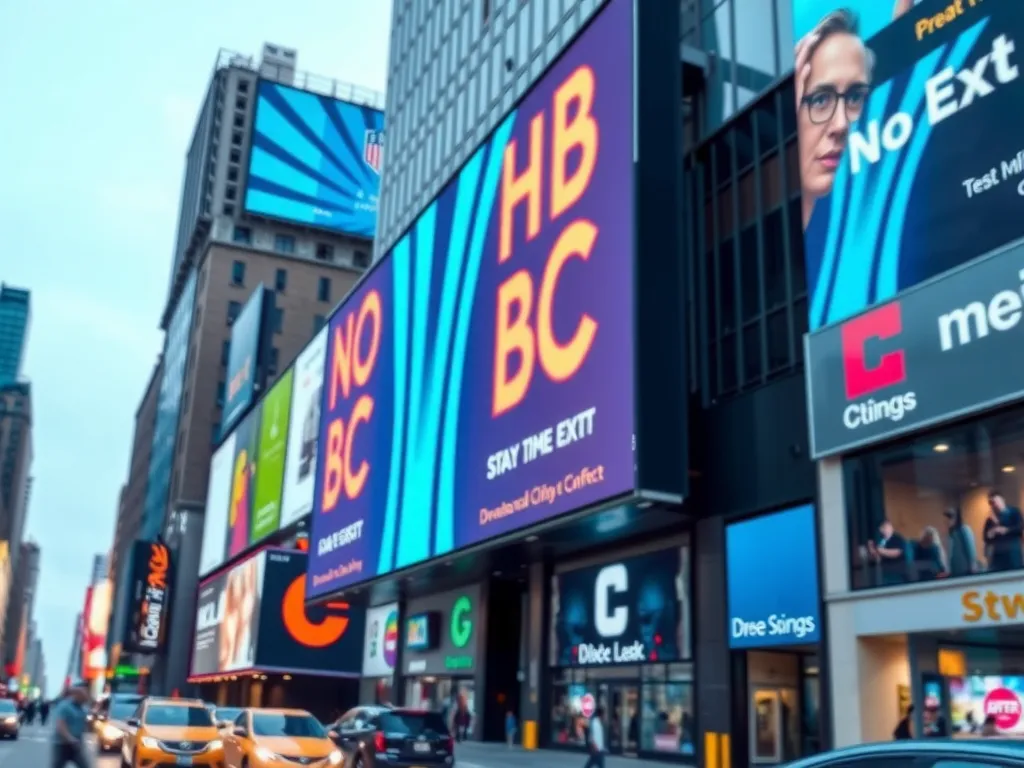
    Similarly, Dubai’s use of AI in its media landscape shows how the technology enables dynamic advertising spaces.Dynamic digital billboard in urban setting, real-time data-driven content adjustment, bustling city atmosphere, blending digital screen with city life With real-time data processing, digital screens can adjust instantly to demographic changes, traffic conditions, and environmental factors, optimizing audience engagement. These applications offer a template for other cities aiming to leverage AI to boost public interaction and economic activity. In hot afternoon hours, content pivots toward shaded attractions and hydration prompts; at sunset, long-form storytelling unfolds across synchronized façades that span entire boulevards. For cultural events, multilingual copy rotates intelligently to match tourist arrivals, while accessibility features—high-contrast modes and screen reader synchronization for companion apps—activate automatically. On the operations side, predictive maintenance flags panels that may overheat or dim, reducing downtime and energy waste. By opening curated slots for local artisans and small enterprises, the system balances premium brand placements with community visibility. The result is not mere spectacle but a measurable public media infrastructure—one that supports commerce, culture, and wayfinding while maintaining a consistent standard of quality and civic responsibility.
    Merging Digital Media Platforms with Urban Life

    The role of digital media platforms in cities is evolving as AI personalizes content and experiences. Platforms that once focused on static content are moving toward dynamic interaction models powered by AI algorithms. In this context, AI acts as a bridge between digital media and urban life, turning passive consumption into active participation. Recommendation engines no longer serve only entertainment preferences; they now infer a visitor’s intent—learning, leisure, connection—and propose routes, events, and installations that align with that mood. A lunchtime stroll might surface a five-minute poetry micro-performance on a plaza en route to the office; an evening with friends could reveal a collaborative light-painting wall where groups co-create and export their designs as souvenirs. Knowledge graphs connect venues, artists, historical references, and civic resources, so that each interaction opens doors to context: who curated this piece, which community contributed oral histories, what local nonprofit benefits from tonight’s proceeds. The platform becomes a trusted companion, navigating the city with etiquette and empathy rather than merely pushing promotions.

    Integrating AI into city media platforms creates a feedback loop where user interactions inform content strategies and urban planning. Each engagement adds data that refines AI algorithms, enhancing experiences and enabling more targeted content distribution. This intelligence boosts user satisfaction and strengthens platforms like amal.hunnt.ai, positioning them as leaders in urban digital engagement. Consider the full cycle: sensors observe participation patterns; the platform clusters micro-communities with similar interests; curators test different narratives; and city planners examine aggregated insights to position seating, greenery, or pop-up stages where they will be most appreciated. Real-time dashboards help producers adjust runtime, pacing, and accessibility features on the fly, while longer-term reports guide equitable distribution of cultural programming across neighborhoods. Transparent governance—clear consent prompts, visible data retention schedules, and independent audits—builds trust, ensuring that optimization never eclipses community agency. With open APIs and standards-based data exchange, third-party creators can plug in safely, extending the ecosystem while preserving privacy and civic values.

    Practical Applications of AI in Urban Media

    Beyond theory, practical AI applications are shaping the future of urban engagement. AI systems are being used to create virtual city guides with interactive digital art that inform and entertain residents and tourists alike. AI also supports safety and infrastructure—smart cameras and sensors monitor crowd density and movement, helping optimize safety protocols during large public events. A conversational guide—available through kiosks, phones, or wearables—can speak multiple languages, recognize intents like “show me the nearest step-free route,” and adapt tone for kids, seniors, or visitors with sensory sensitivities. Computer vision at intersections distinguishes between queues and gatherings, alerting coordinators to potential bottlenecks before they turn into hazards. Generative media tools let artists script pieces that change subtly over a festival’s run, so repeat visits reveal new layers of meaning. For emergency readiness, anomaly detection flags unusual motion patterns or environmental readings, triggering gentle nudges (dynamic signage, haptic cues) that guide people along safe paths without inducing panic. Meanwhile, energy-aware scheduling aligns high-power installations with periods of renewable surpluses, reducing carbon impact while preserving artistic intent.

    These technologies are crucial for building inclusive urban environments. By developing AI tools that address diverse needs, from language translation services to accessibility improvements, cities can ensure their media landscapes are both broad and welcoming. This democratization of access highlights AI’s ability to provide wide societal benefits through urban media deployment. Street captions can mirror live performances in multiple languages; audio description tracks narrate visual spectacles for blind or low-vision audiences; and route planners surface “quiet corridors” during sensory-friendly hours. Communities that cannot attend in person—because of distance, mobility, or health—can join through live, low-latency streams, with two-way participation that lets remote audiences vote on the next act or contribute visuals from neighborhood workshops. Training programs help local creators learn AI-assisted tools—from style transfer to spatial audio—so the city’s creative workforce grows alongside the technology. Microgrants and residency programs, administered through platforms like amal.hunnt.ai, ensure that innovation includes voices from historically underrepresented communities, turning public media into a shared enterprise rather than a top-down broadcast.

    Implications for Future Urban Media Strategies

    As AI continues to permeate urban life and media, cities are rethinking how to engage residents and visitors in meaningful ways. Forward-thinking urban planners and media professionals increasingly view AI not just as a tool, but as a strategic partner in crafting stories that shape metropolitan identities. By investing in AI-driven media initiatives, cities can present themselves as dynamic, culturally rich hubs that attract global attention and investment. This shift invites new forms of collaboration across departments—transportation, cultural affairs, equity offices, and sustainability teams—so that media activations align with broader civic aims. Procurement policies may evolve to value interoperability, ethical AI standards, and community co-design over short-term spectacle. Metrics, too, expand beyond impressions: cities track time-on-site, repeat visitation, neighborhood spillover effects, and qualitative indicators of belonging. Environmental considerations enter the brief from day one, encouraging low-energy rendering techniques, reusable infrastructure, and circular design for staging materials. When a city treats AI-enhanced media as civic infrastructure, it deliberately balances innovation with reliability, novelty with continuity, and experimentation with stewardship.

    These developments point to a future where urban media integrates smart technologies seamlessly, opening vast possibilities for innovation and creativity. In this landscape, platforms like amal.hunnt.ai stand at the forefront—driving conversations about AI and its role in shaping tomorrow’s media ecosystems. Digital twins of districts will help planners simulate foot traffic, test signage readability, and preview how generative art interacts with sunlight and weather before installations go live. Edge processing will keep experiences responsive even during network congestion, while privacy-preserving analytics offer insights without exposing identities. Open content pipelines will allow artists to publish once and render everywhere—on façades, in AR headsets, across transit displays—with context-aware variations optimized for each surface. As standards mature and communities grow more fluent in these tools, public spaces will feel simultaneously more human and more high-tech: places where technology recedes into the background, amplifying connection, reflection, and joy. The cities that succeed will be those that pair technical excellence with cultural sensitivity, inviting residents to participate not only as consumers of media but as co-authors of the urban story.

    Conclusion: The Future Beckons

    Bringing AI into urban street events and media enhances the vibrancy and connectivity of city life. As these technologies evolve, they promise to reshape everyday experiences, enabling people to interact with their surroundings and each other in new ways. For cities, this moment offers a strong opportunity to deepen cultural stories and elevate public engagement. The most enduring successes will come from initiatives that combine artistry with analytics, privacy with personalization, and spectacle with substance. Clear consent practices, robust security, and bias-aware design will ensure that AI strengthens social trust rather than eroding it. When communities are invited to co-create—from early concept workshops to post-event debriefs—the resulting programs feel rooted and resilient. With careful stewardship, AI can help public spaces become places of discovery every day, not just during festivals: a morning commute punctuated by a poem, a lunchtime plaza animated by co-created visuals, an evening market guided by gentle, helpful wayfinding. The city becomes a canvas that listens and responds, where technology serves as the quiet infrastructure for human connection.

    Amal.hunnt.ai, through its commitment to innovative digital media solutions, exemplifies how urban landscapes can embrace these changes and position themselves as leaders in the modern urban media ecosystem. By championing AI-integrated strategies, cities can navigate the digital age with foresight and flair, securing their place in the expanding tapestry of global connectivity and cultural exchange. The platform’s approach—pairing creative tooling with ethical guardrails, and experimentation with measurable outcomes—offers a practical path from pilot activations to citywide programs. As municipalities, cultural institutions, and local businesses align around shared goals, streets transform into inclusive stages and screens become portals to collective memory. The future, then, is not a distant horizon but a series of well-designed steps: test, listen, iterate, and scale. With AI as a thoughtful partner and community as the compass, urban media can evolve into a living, breathing dialogue—one that celebrates diversity, invites participation, and keeps the heart of the city at its center.

  • الثقافة الرقمية وفن الشارع: كيف تغيرت الموسيقى العربية عبر المنصات الرقمية؟

    الثقافة الرقمية وفن الشارع: كيف تغيرت الموسيقى العربية عبر المنصات الرقمية؟

    الثقافة الرقمية وفن الشارع: كيف تطورت الموسيقى العربية عبر المنصات الرقمية؟

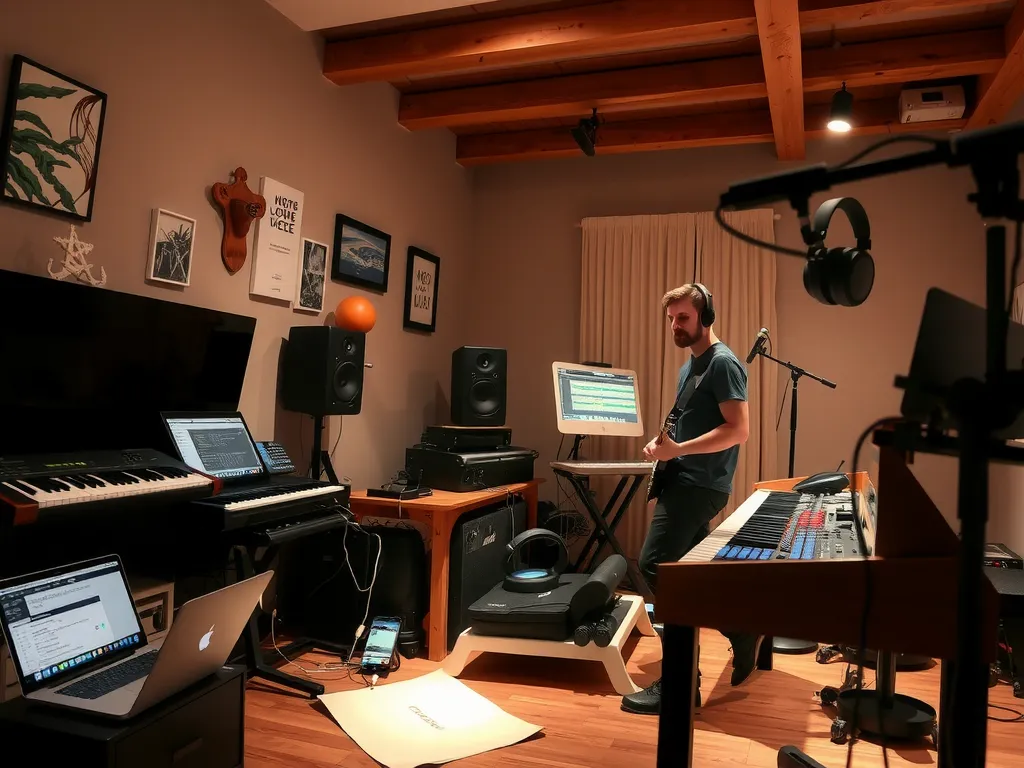
    تدخل الموسيقى العربية اليوم حقبة رقمية جديدة؛ فقد أصبحت المنصات الرقمية ساحة العرض الأوسع، يلتقي فيها الفنانون بجمهور لا تحده الجغرافيا. لم يعد الحضور مقتصرًا على الساحات العامة، بل امتد إلى الفضاء الإلكتروني حيث تتجاور التكنولوجيا مع الإبداع، مما يجعل الوصول متاحًا للجميع. كيف أعادت هذه المنصات تشكيل المشهد الموسيقي العربي؟ وما الدور الذي تؤديه التكنولوجيا في ثقافة الشارع الحديثة؟ في البيوت والاستوديوهات المنزلية والهواتف المحمولة، تُسجَّل أفكارٌ أولية تتحول خلال ساعات إلى أغانٍ كاملة تصل إلى ملايين المستمعين. تتجاور لقطات من بروفات الراب، ومقاطع من حفلات الشارع، وورش تعليم العزف مع تسجيلات ميدانية لأصوات المدينة نفسها: ضجيج الأسواق، إيقاعات الحافلات، وصدى الأزقة الضيقة، وكلها تتحول إلى خامة موسيقية جديدة. هذه السرعة في الإنتاج والنشر خلقت أنواعًا هجينة وذائقات أكثر تنوعًا، وأعادت تعريف العلاقة بين الفنان والجمهور؛ فلم يعد المستمع متلقيًا صامتًا، بل مشاركًا يقترح، ويصوّت، ويعيد المزج، وينشر، لتصبح الأغنية مشروعًا اجتماعيًّا حيًّا يتشكل لحظة بلحظة. وهكذا، لم تعد الرقمنة مجرد قناة توزيع، بل لغة تواصل جديدة ترسم حدود ثقافة الشارع وتعيد صياغة هويتها.

    تأثير التكنولوجيا على فنون الشارع

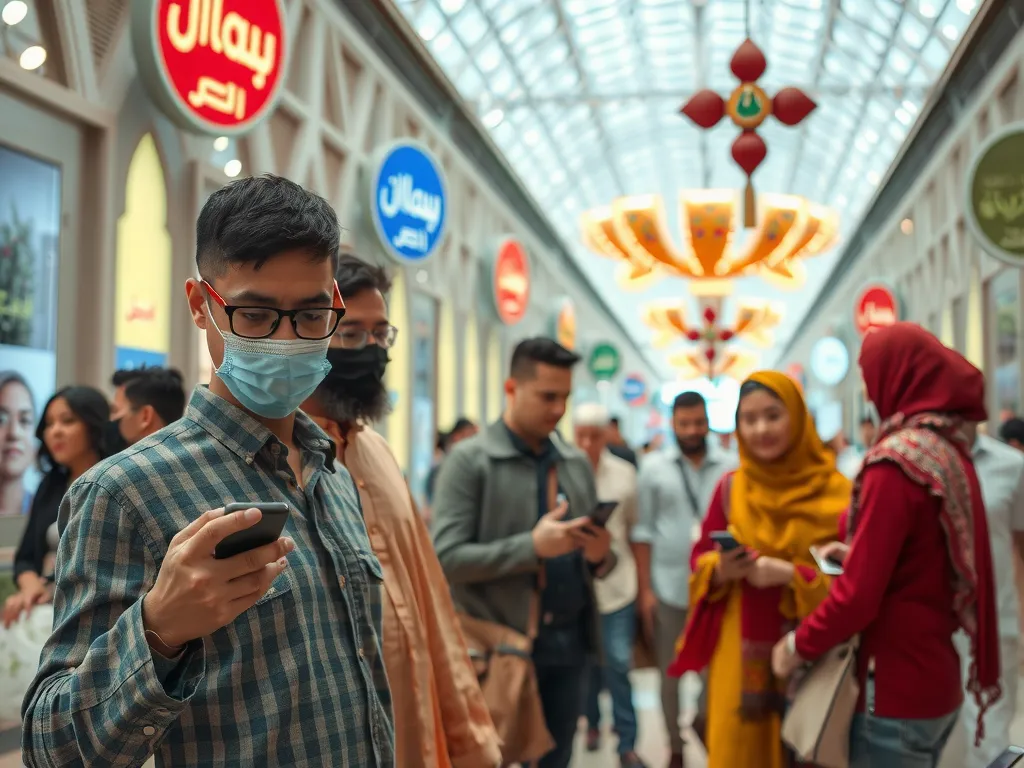
    ساعدت التكنولوجيا بوضوح في إعادة صياغة الموسيقى العربية داخل المشهد الحضري. ومع انتشار الأجهزة الذكية وسهولة الوصول إلى الإنترنت، أصبح بإمكان الفنانين مشاركة أعمالهم بسرعة وكفاءة عبر منصاتهم الرقمية الخاصة والعامة. ولم تقتصر هذه الأدوات على توفير قنوات عرض جديدة؛ بل فتحت المجال لتجارب موسيقية مبتكرة تمزج بين الحديث والتقليدي. فمن خلال تطبيقات التلحين والمزج المحمولة، يستطيع موسيقي شاب أن يسجل خطوط العود أو القانون ثم يضيف إليها إيقاعات إلكترونية ومعالجات صوتية متقدمة، فيولد صوتٌ جديد يجمع حرارة الأداء الحي مع دقة الإنتاج الرقمي. كما أسهمت الأدوات التعليمية المفتوحة—من دروس مصورة وبودكاست وندوات بث مباشر—في تخفيض عتبة الدخول إلى صناعة الموسيقى، فصار تعلم التوزيع والهندسة الصوتية متاحًا لمن يملك شغفًا واتصالًا جيدًا بالإنترنت. وعلى مستوى ثقافة الشارع، أتاحت الخرائط التفاعلية والبث الفوري للجمهور متابعة حفلات «البوب-أب» ومواجهات الهيب هوب والرقص الحر لحظة حدوثها، بينما سمحت المؤثرات المرئية والواقع المعزز للفنانين بخلق عروض تتداخل فيها الجرافيتي الرقمية مع الإضاءة والإسقاط الضوئي، ليبدو الجدار وكأنه آلة موسيقية تُعزف بالنقرات والتمرير.

    المنصات الرقمية كمسرح جديد للموسيقى

    تُعد منصات مثل يوتيوب وسبوتيفاي من أبرز الابتكارات الرقمية التي يسرت على الفنانين العرب نشر موسيقاهم على نطاق واسع. وقد تجاوزت هذه المنصات الحدود الجغرافية، واضعةً الموسيقى العربية أمام جمهور عالمي، إلى جانب إتاحة فرص جديدة للفنانين الشباب لعرض مواهبهم دون الحاجة إلى وسيط تقليدي. وإلى جانبها برزت منصات إقليمية ودولية أخرى تمنح الفنان أدوات تحليل دقيقة: بلد المستمع وسنه وعاداته السمعية وساعات الذروة. هذه البيانات لم تعد تفصيلًا ثانويًّا؛ إنها بوصلة استراتيجية تساعد على اختيار توقيت الإصدار، وطول الأغنية، وحتى بنية المقدمة كي تتناسب مع ثقافة الفيديوهات القصيرة حيث تُحسم الانطباعات في الثواني الأولى. كما عززت قوائم التشغيل التحريرية والخوارزمية فرص الاكتشاف؛ فمجرد إدراج أغنية ناشئة في قائمة رائجة قد يفتح باب الحفلات والتعاونات والرعايات. ومن زاوية الاستدامة، وفرت المنصات طرقًا متعددة للدخل: إعلانات، اشتراكات، بث مباشر مدفوع، ودعم جماهيري. وبينما كانت شركات التوزيع سابقًا حاجزًا أو بوابة لا بد من عبورها، باتت الأدوات الرقمية ذاتية النشر تمكّن الفنان من رفع أعماله إلى كل الخدمات الكبرى بضغطة زر، شرط الانتباه لإدارة الميتاداتا وحقوق الملكية والتراخيص. كذلك غيّرت المنصات أساليب الترويج؛ إذ صار التيزر القصير والتحدي الراقص والتعاون مع صانع محتوى محلي أهم أحيانًا من الملصق التقليدي أو الإعلان الإذاعي.

    التفاعل بين الموسيقى الرقمية والفنون التقليدية

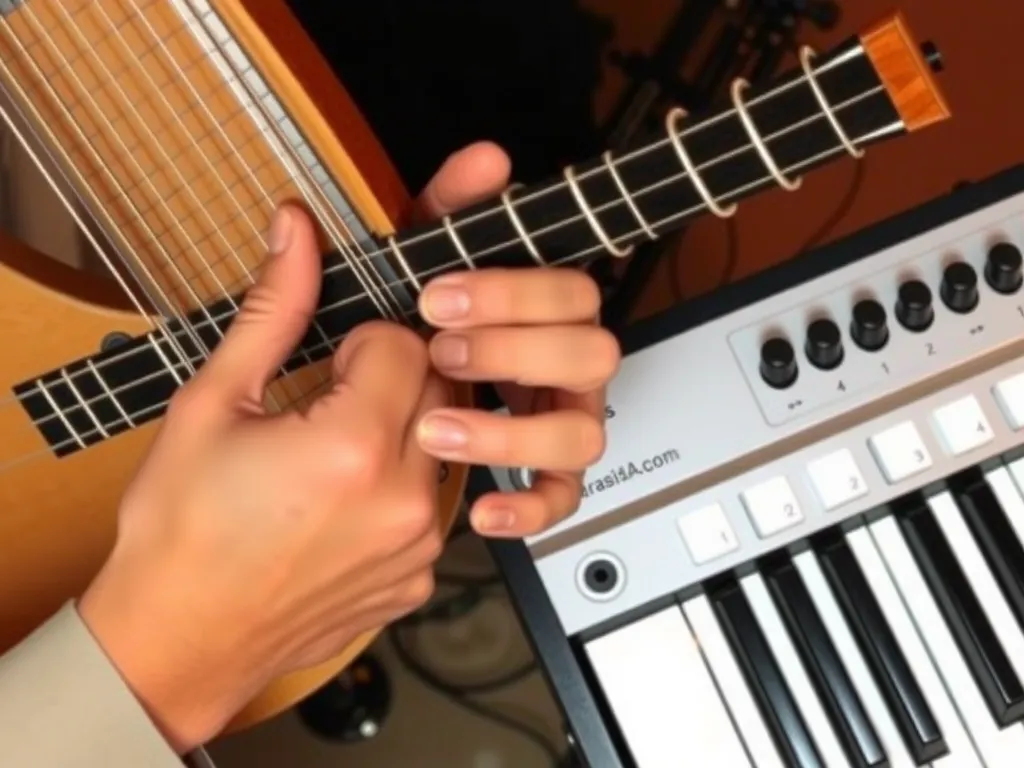
    قد يُخيل للبعض أن التكنولوجيا تبعدنا عن التراث، ومع ذلك تظهر أنماط موسيقية جديدة تتقاطع بسلاسة مع الفنون التقليدية.Hands of a musician playing a traditional Arabic oud next to a modern digital synthesizer, fusion of traditional and digital وتواصل الموسيقى العربية الاستفادة من الأصوات والإيقاعات الموروثة، فتنتج توليفة مميزة تجمع بين ماضٍ عريق ومستقبل رقمي. في الاستوديوهات، تُعاد برمجة المقامات العربية والربع تون في آلات افتراضية ولوحات مفاتيح قابلة لإعادة الضبط؛ فيستعيد المؤدي خصوصية الجملة العربية دون التنازل عن دقة الإيقاع الإلكتروني. تتجاور دفوف الشام مع صناديق الإيقاع الرقمية، ويجد صوت الكمان الشرقي مكانه بين مساحات «اللـو-فاي» والجو المحيط. ومن جهة أخرى، تعيد العروض الحية صياغة هذا التبادل: فمغنٍ تراثي يصعد إلى خشبة شارع حديث مع دي جي، أو فرقة شعبية تضيف الباس الإلكتروني لتوسّع مدى الرقص. صحيح أن هناك نقاشًا دائمًا حول الإفراط في أوتو تيون وفقدان «حرارة» الأداء، غير أن هذا الجدل ذاته جزء من حيوية المشهد؛ إذ يدفع فنانين كثيرين إلى ابتكار حلول وسط تحقق صفاء النغمة وتحفظ روح الارتجال، وتستثمر التكنولوجيا كأداة ترجمة للتراث لا كبديل عنه.
    قصص نجاح

    نلاحظ أمثلة ملموسة لفنانين عرب انطلقوا من منصات مثل ساوندكلاود وبلغوا النجومية. وتبرز هذه القصص كيف تمكّن التكنولوجيا الفنانين من الوصول إلى جمهور واسع ومتنوع دون الحاجة إلى دعم شركات الإنتاج الكبرى. تبدأ الحكاية غالبًا بمسار بسيط: مقطع تجريبي يُرفع ليلًا، تعليقات أولى من مجتمع صغير، ثم مشاركة واسعة تتبعها دعوات للتعاون وطلبات للحفلات. بعض التجارب وُلد من أحياء شعبية تحوّل إيقاعها اليومي إلى هوية صوتية—من الراب المغاربي الذي يحكي هموم الشارع، إلى موجات الرقص الشعبي التي أعادت تعريف «الأغنية الخفيفة» عبر إيقاعات سريعة وطبقات إلكترونية. كما أن وجود جمهور عربي في المهجر خلق جسورًا جديدة؛ فالتعاون بين منتج في الدار البيضاء ومطرب في برلين قد يتم عبر جلسة عن بُعد، يُسجَّل فيها كل شيء من غرفة نوم إلى غرفة معالَجة احترافية. ولا يقتصر النجاح على ملايين المشاهدات؛ إذ تثبت مسارات أخرى أن بناء مجتمع صغير شديد الولاء—عبر بث مباشر دوري ومحتوى تعليمي وكواليس صادقة—يمكن أن يخلق دخلًا مستقرًا وفرصًا للجولات والعقود الإعلانية. إن القاسم المشترك في هذه القصص هو الذكاء في استخدام الأدوات، والصدق في الحكي، والاستمرارية في النشر.

    الفرص المستقبلية

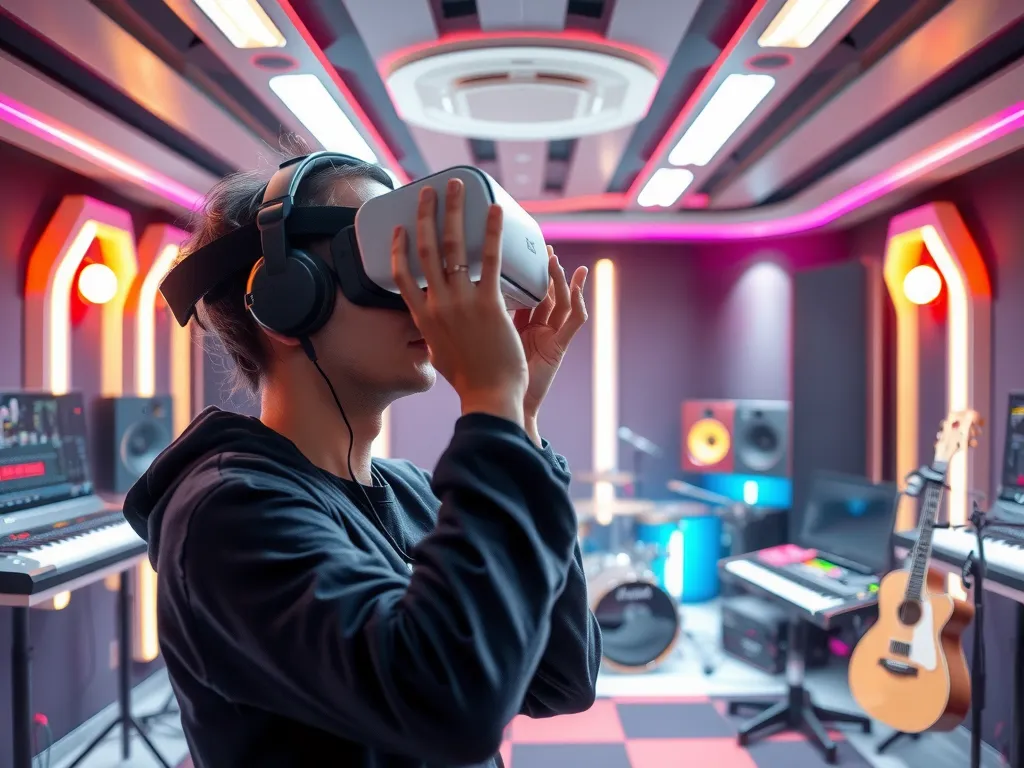
    تفتح التكنولوجيا الرقمية آفاقًا جديدة للموسيقيين والفنانين، لكنها ترافقها تحديات خاصة. وسيكون التكيف مع الأدوات الحديثة والتفاعل معها بفعالية مفتاح النجاح للموسيقيين العرب مستقبلًا. كما يمكن للتكنولوجيا أن توفر مساحات تعاون وأدوات لتحسين الإنتاج الموسيقي باستمرار. تتسارع اليوم تطبيقات الذكاء الاصطناعي القادرة على اقتراح تآلفات، وفصل المسارات الصوتية، ومساعدة المؤلف على صقل اللحن والإيقاع، بينما تمنح تقنيات الصوت ثلاثي الأبعاد تجارب استماع غامرة تليق بقاعات افتراضية وحفلات هجينة بين الواقع والبث.An artist using a virtual reality headset to experience a 3D music studio, futuristic and immersive setting في المقابل، يحتاج الفنان إلى وعي قانوني ومالي: فهم حقوق المؤلف والجارِية، إدارة العقود، ترميز الأعمال ببيانات دقيقة لضمان العوائد، والتعامل مع تقلّبات خوارزميات المنصات التي قد تغيّر قواعد الانتشار بين ليلة وضحاها. هناك أيضًا فجوة رقمية بين المدن والأطراف، تتعلق بسرعة الإنترنت وتكلفة الأجهزة والتدريب، ما يستدعي مبادرات تعليمية وتمويلًا صغيرًا ومساحات عمل مشتركة. ومن التحديات كذلك العناية بالصحة النفسية في بيئة تقيس النجاح بالمشاهدات الفورية؛ إذ يساعد التخطيط الموسمي، وأجندة نشر متوازنة، ومجتمعات دعم بين الفنانين على بناء مسيرة طويلة الأمد بدل اللهاث وراء «الترند» العابر.
    الخاتمة

    ليست التكنولوجيا الرقمية مجرد وسيلة عرض؛ إنها جزء من ثورة ثقافية تعيد تشكيل هوية الموسيقى العربية وفن الشارع. تنتظر الموسيقيين والفنانين تحديات جديدة، غير أن الفرص في العالم الرقمي واسعة. ومع توظيف التكنولوجيا بذكاء، يمكن للفنانين العرب مواصلة تقديم أعمالهم للعالم والمساهمة في دفع ثقافتنا إلى الأمام. يكمن الرهان في تحقيق توازن بين روح المكان ومرونة المنصة: أن تظل الحارة والمدينة والذاكرة حاضرة في النغمة حتى حين تُصنع في واجهة برنامج. ولتحقيق ذلك، يحتاج المشهد إلى منظومة تتعاون فيها المدارس والمعاهد وبيوت الثقافة مع المبادرات المستقلة والمهرجانات والمنصات، لإتاحة التدريب والتمويل والتمثيل العادل للنساء والشباب وأصوات المناطق المهمشة. فإذا نجحنا في تحويل طاقة الشارع إلى معرفة رقمية مشتركة، وفي تحويل التقنية إلى حليف للتراث لا منافس له، ستستمر الموسيقى العربية في الابتكار والانتشار، وسيجد كل فنان مكانه على الخشبة الجديدة: شاشة صغيرة لا حدود لأفقها.

  • دور التقنيات الحديثة والتفاعل الاجتماعي في تطوير الثقافة العربية الرقمية

    دور التقنيات الحديثة والتفاعل الاجتماعي في تطوير الثقافة العربية الرقمية

    دور التقنيات الحديثة والتفاعل الاجتماعي في تطوير الثقافة العربية الرقمية

    في عصر التحول الرقمي، أصبحت التكنولوجيا الحديثة أساساً رئيسياً لتوسيع نطاق الثقافة العربية وتعزيزها. من المجال العام إلى الفضاء الرقمي، تظهر نهضة ثقافية يغذيها التفاعل الاجتماعي والابتكار التقني. في هذا السياق، يناقش المقال دور هذه التقنيات في تشكيل مستقبل الثقافة الرقمية في العالم العربي وكيفية تفاعل المجتمع مع هذه التطورات. لم يعد الحضور الثقافي مرهوناً بالمؤسسات التقليدية وحدها؛ فبضغطة زرّ بات يمكن لصوتٍ فردي أن يصل إلى ملايين المتابعين، وأن يحفّز نقاشاً عاماً حول الفنون واللغة والهوية. تمكّن أدوات النشر الذاتي والبودكاست والبث المباشر صانعي المحتوى من اختبار أفكارهم في الوقت الفعلي، بينما تمنحهم تحليلات البيانات فهماً أدق لميول الجمهور واهتماماته. كما تسهم الرقمنة في حماية التراث، عبر أرشفة المخطوطات والتسجيلات الشفوية وتحويلها إلى مواد تعليمية تفاعلية يمكن تداولها بسهولة بين الأجيال وفي مختلف البلدان.

    كيف تساهم التكنولوجيا في إعادة تشكيل الثقافة العربية

    مع انتشار الإنترنت ومنصات التواصل الاجتماعي، حصل الشباب العربي على مساحة أكبر للتعبير عن هوياتهم وتنوع ثقافاتهم. تقنيات الواقع المعزز والواقع الافتراضي، مثل “سناب شات” و”تيك توك”، تفتح آفاقاً جديدة للتفاعل مع الثقافة الشعبية وتحدي المفاهيم التقليدية. بالإضافة إلى ذلك، يستخدم الطلاب والمهتمون بالثقافة هذه المنصات لإنتاج محتوى يعكس القيم والرؤى التي يتشاركونها. تتحول الوسوم إلى ساحات نقاش عامة، تتقاطع فيها الفنون مع قضايا اللغة والبيئة وحقوق الإنسان. وتُسهم المقاطع القصيرة في تبسيط موضوعات معقدة كالنقد الأدبي أو تاريخ المدن، بينما تزدهر مشاريع الرواية التفاعلية والألعاب المستوحاة من الأساطير العربية لتقديم سرديات جديدة. ويمكّن الواقع المعزز من إعادة إحياء الخط العربي والزخارف الإسلامية عبر فلاتر تعليمية، فيما تسمح الجولات الافتراضية بزيارة متاحف ومواقع أثرية من المنزل. كما يدعم انتشار الخطوط المفتوحة المصدر والتقنيات المساعدة للغة العربية إنتاج تصميمات رقمية احترافية، ويعزز ظهور صنّاع محتوى مستقلين يبنون مجتمعاتهم حول المعرفة والفن والإبداع المشترك.

    التحديات التي تواجه المحتوى الرقمي العربي

    على الرغم من التقدم، يواجه المحتوى الرقمي العربي تحديات بارزة، منها نقص الموارد التقنية وضعف الوعي الرقمي. يزيد التفاوت في الوصول إلى الإنترنت بين المدن والقرى من عمق الفجوة الرقمية. ومع ذلك، تهدف مبادرات محلية مثل “تحدي الكتاب الإلكتروني” إلى تجاوز هذه العوائق من خلال ورش عمل رقمية تفاعلية تنمي القدرات التقنية لدى الشباب. وتتداخل عقبات أخرى لا تقل أهمية، مثل محدودية منصات الدفع الإلكتروني وصعوبة تحقيق الدخل للمبدعين، إلى جانب غموض حقوق الملكية الفكرية في بعض السياقات. كما تؤثر قضايا التضليل المعلوماتي وضعف التحقق من المصادر على جودة النقاش العام، في ظل قلة برامج التربية الإعلامية. وتبرز تحديات لغوية وتقنية تتمثل في نقص البيانات اللغوية المفتوحة وتباين اللهجات، ما يحدّ من دقة أدوات المعالجة اللغوية العربية. ويُضاف إلى ذلك قيود الوصول لذوي الإعاقة، وغياب سياسات واضحة لحماية الخصوصية والرفاه الرقمي، ما يستدعي حلولاً تجمع بين السياسات العامة والتدريب وبناء منصات تراعي التنوع والإنصاف.

    نموذج للمبادرات الناجحة

    من الأمثلة الملهمة مشروع “مقابلة الشارع”، الذي يتناول قضايا اجتماعية عبر لقاءات محلية تُنشر على منصات الفيديو الرقمية، مما يعزز الشفافية ويزيد الوعي الجماعي. يقوم القائمون عليه بتدريب متطوعين على صحافة الهاتف المحمول، وأساليب طرح الأسئلة الحسّاسة باحترام، وأخلاقيات الموافقات المستنيرة. تُرفق الحلقات بترجمة مبسطة وتعليقات توضيحية تُسهم في شمول من يعانون صعوبات سمعية أو لغوية. يعتمد المشروع على سرد قصصي قصير ومدعوم بالبيانات، ويشجّع المشاركة عبر استطلاعات مباشرة وفتح المجال لتجارب الجمهور. وقد أنتج نقاشات داخل الجامعات والمراكز الشبابية، وألهم مبادرات مشابهة في مدن أخرى. القوة في هذا النموذج أنه قابل للتكيّف مع موارد محدودة، ويخلق شبكة من المتعاونين المحليين، ويضع المعرفة المجتمعية في قلب عملية الإنتاج الثقافي.

    دور التوزيعات الرقمية في إثراء المحتوى الثقافي

    أصبحت التوزيعات الرقمية من الأدوات الأكثر فاعلية لنشر المحتوى العربي لجمهور أوسع. فقد ساهمت المجلات الإلكترونية ومنصات التدوين في نشر الأدب العربي المعاصر وزيادة الوعي بالأعمال الثقافية المميزة. كما تساعد تطبيقات مثل “قراء” و”كتبجي” في توزيع الكتب الرقمية وجعلها متاحة للجميع بلمسة واحدة. وامتد الأثر إلى البودكاست والنشرات البريدية ومنصات البث، حيث تُصاغ ملفات صوتية تُعيد تقديم الشعر والسرد الشفهي بأساليب حديثة، وتُعرض عروض مسرحية وسينمائية عبر اشتراكات ميسورة. تتيح التحليلات فهم سلوك القراءة والاستماع، ما يساعد على تحسين تجربة المستخدم واقتراحات المحتوى. كما يسهم الترخيص المفتوح في تشجيع إعادة الاستخدام والترجمة، مع حفظ حقوق المؤلف. وتلعب الفهرسة الجيدة والبيانات الوصفية دوراً محورياً في قابلية الاكتشاف عبر محركات البحث، بينما يمكّن التعاون بين دور النشر والمكتبات الإلكترونية من تجاوز حدود الجغرافيا، وإيصال الأعمال إلى القراء في المهجر والداخل على حد سواء.

    الثقافة الرقمية كجسر للتفاعل والتواصل

    لا تقتصر الثقافة الرقمية على نقل المعرفة، بل تعزز أيضاً التفاعل الاجتماعي داخل المجتمعات العربية. فالمنتديات الإلكترونية وصفحات التواصل الاجتماعي توفر ساحات مفتوحة للحوار والتبادل الثقافي، حيث يمكن لأفراد من خلفيات متعددة التفاعل في بيئة منفتحة وداعمة. يتشارك المبدعون في جلسات قراءة مباشرة وورش كتابة جماعية ونوادي مشاهدة للأفلام، فتتشكل روابط عابرة للحدود بين طلاب وباحثين وفنانين. وتخلق المجتمعات الرقمية مساحات آمنة للفئات المهمشة، مع اعتماد أدوات للوصول مثل التسميات التوضيحية للنصوص ووصف الصور. كما تدعم الثقافة الرقمية التواصل بين المقيمين في الداخل والشتات، عبر مبادرات للتبادل اللغوي، وإحياء الذكريات المحلية بوصفها جسراً للانتماء. ورغم خطر غرف الصدى، فإن اعتماد سياسات اعتدال شفافة وتعزيز التفكير النقدي يخفف الاستقطاب، ويحوّل المنصات إلى مختبرات اجتماعية تُبنى فيها قيم الحوار والاختلاف المنتج.

    مستقبل الثقافة الرقمية العربية

    يُتوقع أن يستمر هذا الاتجاه في النمو بفضل الابتكار المستمر والتكنولوجيا المتقدمة. ومع انتشار التعليم الرقمي وزيادة الاستثمار في البنية التحتية للاتصالات، يُرتقب تطور مستدام للثقافة الرقمية العربية يعزز الهوية العربية ويضعها في مقدمة الحوار العالمي. ستتيح تقنيات الذكاء الاصطناعي معالجة لغوية أدق للغة العربية وتنوّعاتها، ما يفتح الباب أمام الترجمة الفورية والتلخيص الذكي وتوليد الأصوات الاصطناعية للهجات مختلفة. وستدعم المتاحف الافتراضية والواقع الممتد استكشاف التراث والتفاعل معه، فيما ستُسهم أرشفة مفتوحة وقابلة للبحث في حفظ الذاكرة الثقافية. كما ستبرز نماذج اقتصادية جديدة تجمع بين الاشتراكات الصغيرة والرعاية المجتمعية والتمويل الجماعي، مع تعزيز الشفافية وحماية خصوصية المستخدم. وفي المقابل، ستظل الحاجة ملحّة إلى سياسات تحمي من التحيزات الخوارزمية وتسهم في الأمن الرقمي ومحو الأمية الإعلامية، حتى لا تتحول التقنيات إلى حواجز جديدة تعمّق الفوارق.

    في الختام، تبقى الثقافة الرقمية العربية حلقة وصل بين الجذور الثقافية والتقنيات الحديثة، مما يمنح الأجيال القادمة فرصة للتعلم والانخراط بطرق لم تكن متاحة من قبل. وتستدعي هذه الظروف من الأفراد والمؤسسات دعم هذه التحولات لضمان مستقبل مستدام للثقافة العربية الرقمية. يمكن للأفراد الإسهام عبر التحقق من المعلومات قبل مشاركتها، ودعم المبدعين المحليين، واستخدام أدوات الوصول لتوسيع الشمول. ويمكن للمؤسسات تطوير منصات آمنة وسهلة الاستخدام، وتمويل مبادرات الأرشفة المفتوحة، وتحديث المناهج التعليمية بمهارات رقمية نقدية. أما صانعو السياسات، فمطلوب منهم تعزيز البنية التحتية وضمان العدالة في الوصول وحماية الحقوق. وعندما تتكامل هذه الجهود، تتسع الدائرة بحيث تُصان الأصالة ويُحتفى بالابتكار، وتُكتب فصول جديدة من الحكاية العربية في فضاءات رقمية أرحب.

  • Discovering Street Culture and Digital Media: A Fresh Era of City Life

    Discovering Street Culture and Digital Media: A Fresh Era of City Life

    Exploring Street Culture and Digital Media: A New Era of City Life

    Digital media is transforming urban life, seamlessly intertwining with street culture to introduce a savvy yet sophisticated way of living. This blend of tradition and modernity is creating immersive experiences that are reshaping how cities operate. Already vibrant and bustling, cities now stand on the verge of a significant transformation.

    The Rise of Digital Media in Urban Living

    Digital media impacts nearly every aspect of city life, redefining entertainment, education, and commerce.Smart urban environment with digital art installations and augmented reality elements interacting with public spaces, showcasing the innovative use of technology in everyday city life, photorealistic, detailed urban landscape Smart technologies and interactive installations are spreading throughout urban areas, enhancing daily activities with tools like augmented reality, digital art displays, and virtual marketplaces. These innovations not only simplify tasks—such as sensors that adjust lighting based on foot traffic—but also help communities advocate for improved urban design via open data dashboards that monitor everything from noise levels to tree coverage.

    Street culture, long recognized for its grassroots energy, now thrives on digital platforms.Diverse group of people engaging with street art through digital platforms and social media on their smartphones, representing the global reach and dialogue within street culture, high-quality, dynamic interaction Artists, fans, and communities engage in global dialogues through social media and online street art platforms, extending far beyond physical neighborhoods. This reach gives artists in smaller cities or on the fringes greater visibility, preserving and elevating their cultural contributions online. Participation in digital forums also supports the organic coordination of creative efforts, including pop-up events and cross-genre collaborations.
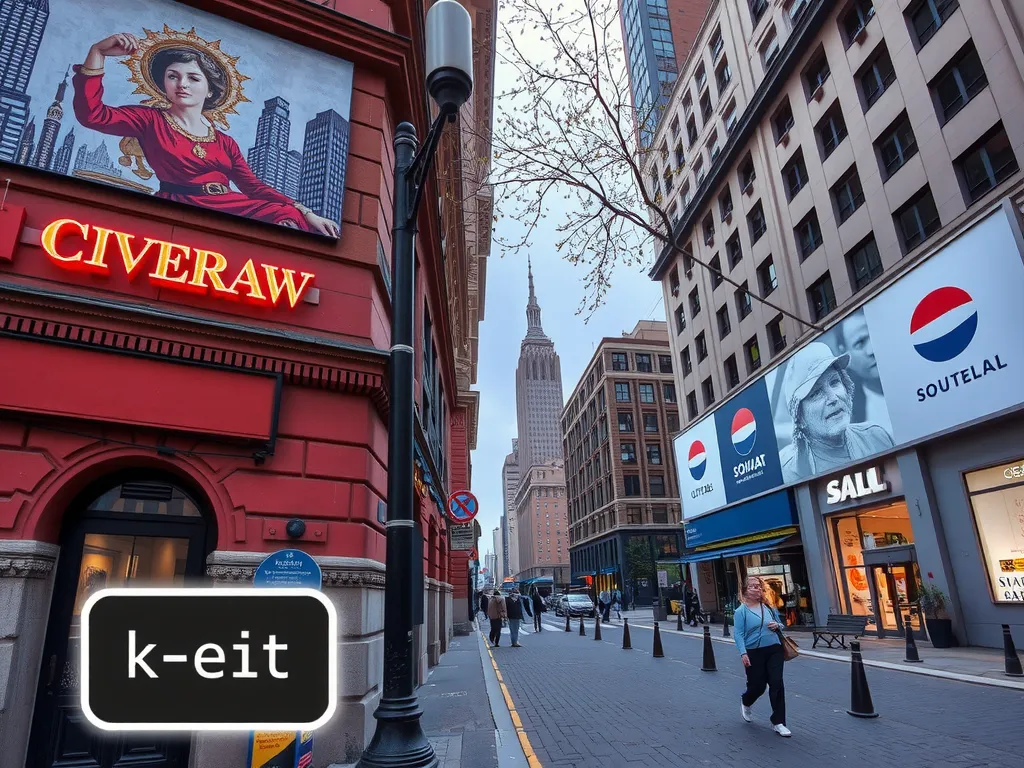
    Merging Technology with Urban SpacesUrban environment augmented with digital overlays, showing historical and cultural information accessible through mobile devices, enhancing street culture with rich digital narratives, photorealistic augmented reality experience

    Cities are becoming living laboratories for innovation, turning everyday environments into dynamic urban experiences. Smart infrastructure is reimagining public spaces to be more interactive and responsive to environmental cues and human activities. This tech-driven approach revitalizes street culture while supporting sustainable urban growth. Interactive tools—such as adaptive lighting and public kiosks tailored to local cultural events—are creating shared canvases where individuals and communities can express themselves freely.

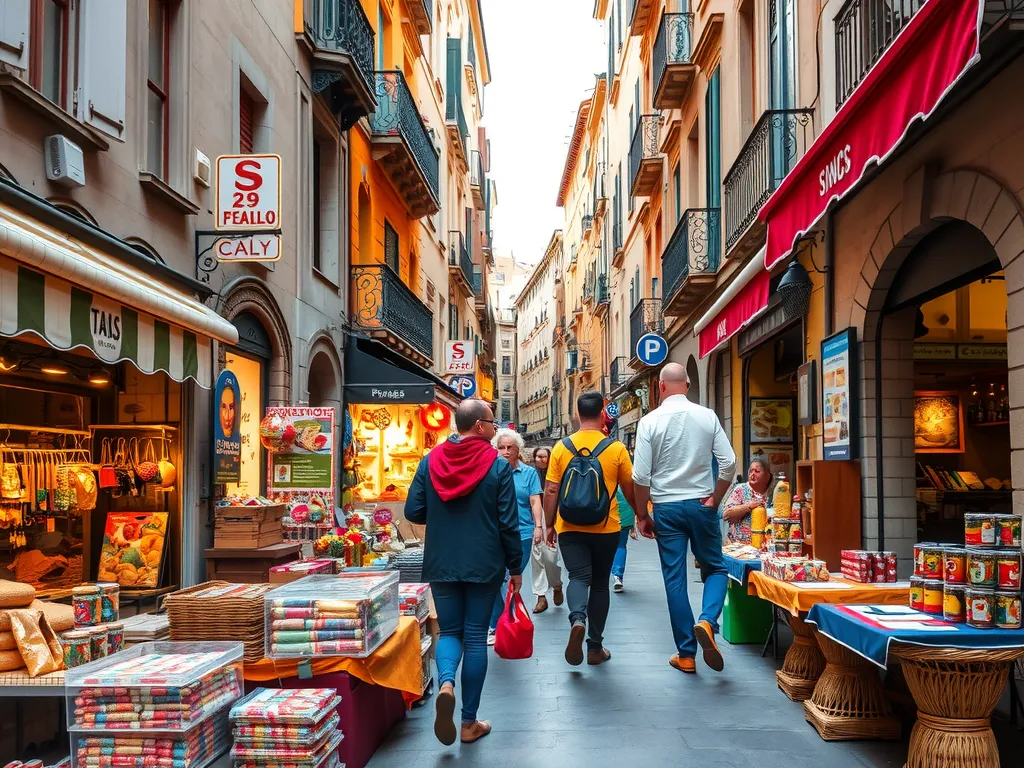
    Case Study: Barcelona’s Digital MarketplaceBarcelona street market transformed through digital interfaces, with vendors showcasing their products via virtual storefronts, connecting with global shoppers, vibrant colors, detailed cultural elements

    Barcelona showcases how digital technology can enhance traditional street culture through its approach to street markets. By adopting digital tools, the city broadens the reach of local vendors with virtual storefronts, connecting them with global shoppers. These platforms allow vendors to showcase offerings, share product stories, and accept orders in advance—bridging the origin of goods with the narratives behind them. This digital transition encourages cultural exchange, improves operations, and strengthens local economies.

    The Growth of Virtual Experiences in City Living

    Virtual experiences are opening new avenues for exploration and connection without geographic limits. Virtual tourism and online cultural events provide access to city attractions and narratives through technologies such as high-definition streaming and augmented reality tours. These experiences serve diverse communities, including people with mobility challenges, enabling broader participation in cultural events and urban histories.

    Augmented Reality: Connecting Physical and Digital Worlds

    Augmented Reality (AR) offers powerful ways to enrich street culture by overlaying digital information onto the physical world. Using devices like smartphones, people can discover added cultural, artistic, and historical context for a deeper urban journey. AR highlights local creativity and supports inclusive engagement, using features such as multilingual captions and interactive audio narrations to broaden its reach.

    Challenges and Opportunities of Digital Change

    Despite the promise of digital media, its integration brings challenges that require careful consideration. Maintaining cultural authenticity while adopting new technologies is essential to avoid diluting traditional street expressions. Concerns also include cultural appropriation without reciprocal reinvestment. To foster equitable participation, cities should pursue inclusivity-focused policies and technological accessibility initiatives.

    Steps for Effective Implementation

    • Engage local communities in project planning to ensure cultural relevance and broad support. Inclusive practices tap local insight and increase the likelihood of success.
    • Invest in affordable, inclusive technology options to enable wide participation. Favor open-source platforms and use local networks for cost-effective data access to expand digital inclusion.
    • Adopt policies that welcome creativity in public spaces while honoring cultural traditions. Provide transparent rules for digital installations, emphasizing collaboration and shared development goals.

    Conclusion: The Future of City Living and Digital Media

    The fusion of digital media with street culture marks a pivotal moment in urban life. As technology evolves, it will continue to redefine city living by fostering innovative, inclusive cultural ecosystems. Success depends on collaboration among city agencies, cultural institutions, and community groups, ensuring technology enhances the human essence of street culture.

    In this harmonious future, urban life will blend tradition with innovation, with technology serving as a bridge across diverse cultural expressions. The aim is to use digital tools to enrich—rather than replace—the vibrant fabric of city life, building platforms that celebrate and sustain community-driven narratives.